A Protest Against Time
There is a quote I have said for a long time whenever people ask me why I care so much about photography.
Photography is both my protest against time and a testament to my anxiety.
I usually only share this candidly when I’m having a deep conversation with someone.
The longer I have spent taking photographs, the more I have started to realize how much of my relationship with photography is connected to my relationship with time. I photograph things because I find them beautiful, obviously. Sometimes I photograph something simply because I like the way it looks. But I don't think that completely explains why I feel such a strong need to carry a camera with me, or why I sometimes feel disappointed when I realize I didn't photograph something that I may never see in exactly the same way again.
There is probably something underneath that.
I think, in some small way, I have always been uncomfortable with the fact that everything eventually becomes the past.
The Things That Don't Stay
Nothing stays still for very long.
People get older, places change, and the things you see every day eventually become things you remember seeing. A home you once knew intimately can become a house you drive past. Friends who were once a regular part of your life can become people you occasionally think about. Even things you assume you'll remember forever can become difficult to picture clearly after enough time has passed.
I think that's what makes photography so interesting to me. A photograph can't stop any of those things from changing, but it gives you something to return to. It shows you that, at one particular point in time, this is what things looked like. This is where you were. These were the people around you.
There is something comforting about that, although I'm not sure I had ever thought much about why until recently. Maybe taking photographs has always been my way of pushing back against the fact that everything eventually becomes the past. I know a photograph doesn't actually preserve a moment in the way we sometimes pretend it does. If anything, it eventually becomes proof of how much has changed since then.
Still, I keep taking them.
What Photography Keeps
I don't think photography defeats time. If anything, photographs make us more aware of it.
The reason an old photograph can feel so meaningful is usually because of everything that happened after it was taken. You look at a childhood home and immediately notice what has changed. You see someone younger than you remember them, or a version of yourself that feels familiar but strangely distant. The photograph remains exactly the same while everything around it continues moving.
Maybe that's why I think of photography as a protest against time. It's a losing argument from the beginning, but I think that's what makes it feel honest. Every photograph is a small attempt to hold onto something I already know I can't keep forever.
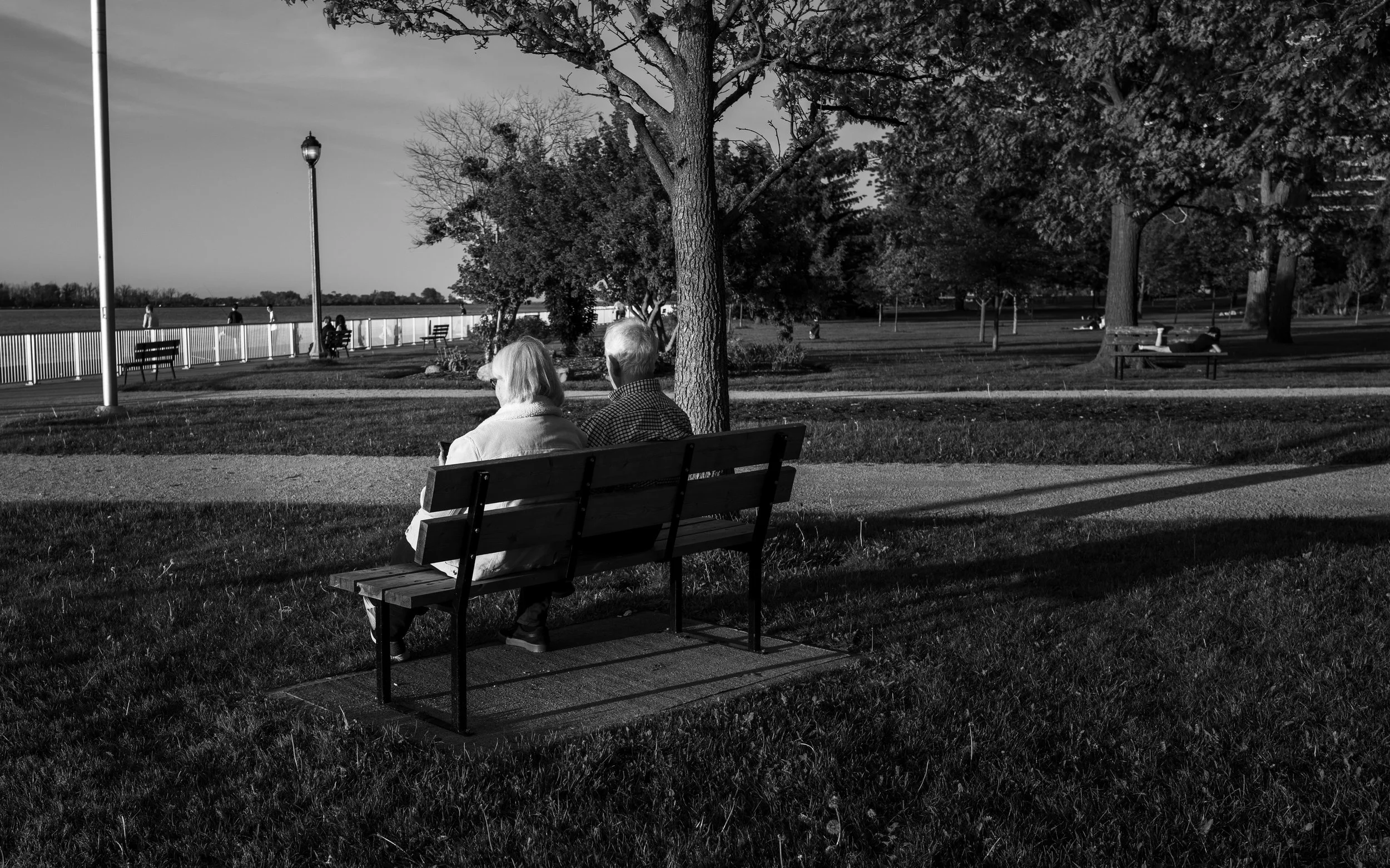
I don't mean that in some grand or dramatic way. Most of the photographs I take are of completely ordinary things. My cats sleeping somewhere in the house. Someone sitting across from me on a bench. Sometimes I don't even know why I've taken the photograph until much later.
I think part of me has always been uncomfortable with how easily things can disappear from memory. You don't really notice it happening, either. One day you remember something clearly, and years later you're trying to reconstruct it from a few details you still have left.
A photograph doesn't stop that from happening, but sometimes it gives memory something to work with.
The Other Side of It
That brings me to the other half of the quote.
I think there is a difference between wanting to photograph something and feeling a strange pressure to do it before the opportunity disappears. I've felt that pressure plenty of times. Sometimes I'll see something completely ordinary and reach for my camera without really knowing why. It's not always because the photograph itself will be particularly interesting. Sometimes there is just a feeling that I might want to remember this later, even though I have no idea what will make this particular moment important.
Maybe that's where the anxiety shows itself.
I'm aware of how often I think about things changing, even when I'm not consciously trying to. I wonder whether I'll ever be back somewhere. I wonder how long something will stay the way it is. I wonder whether I'll eventually look back and wish I had paid more attention while it was happening.
Those thoughts don't always arrive as clearly as that, of course. Most of the time, I just take the photograph.
But when I look through thousands of images I've accumulated over the years, I can see traces of them everywhere.
The Fear of Forgetting
I think anxiety (or at least mine) has a lot to do with the uncertainty of the end.
There is a strange comfort in taking a photograph because it gives me something concrete to keep. I can't control how quickly time passes or how people change. I can't control whether a place will look the same when I return to it, and I definitely can't trust myself to remember everything exactly as it happened. My memory changes things without asking me first.
The photograph, at least, stays the same.
That doesn't mean it gives me the moment back. Looking at an old photograph doesn't allow me to step back into the exact moment it was taken. Sometimes I can remember almost everything surrounding it, and other times I can only remember enough to know that I was there.
Still, there is something reassuring about having it.
Maybe that is why I have so many photographs that would seem insignificant to anyone else, and I wouldn't have a particularly good explanation for why I took most of them.
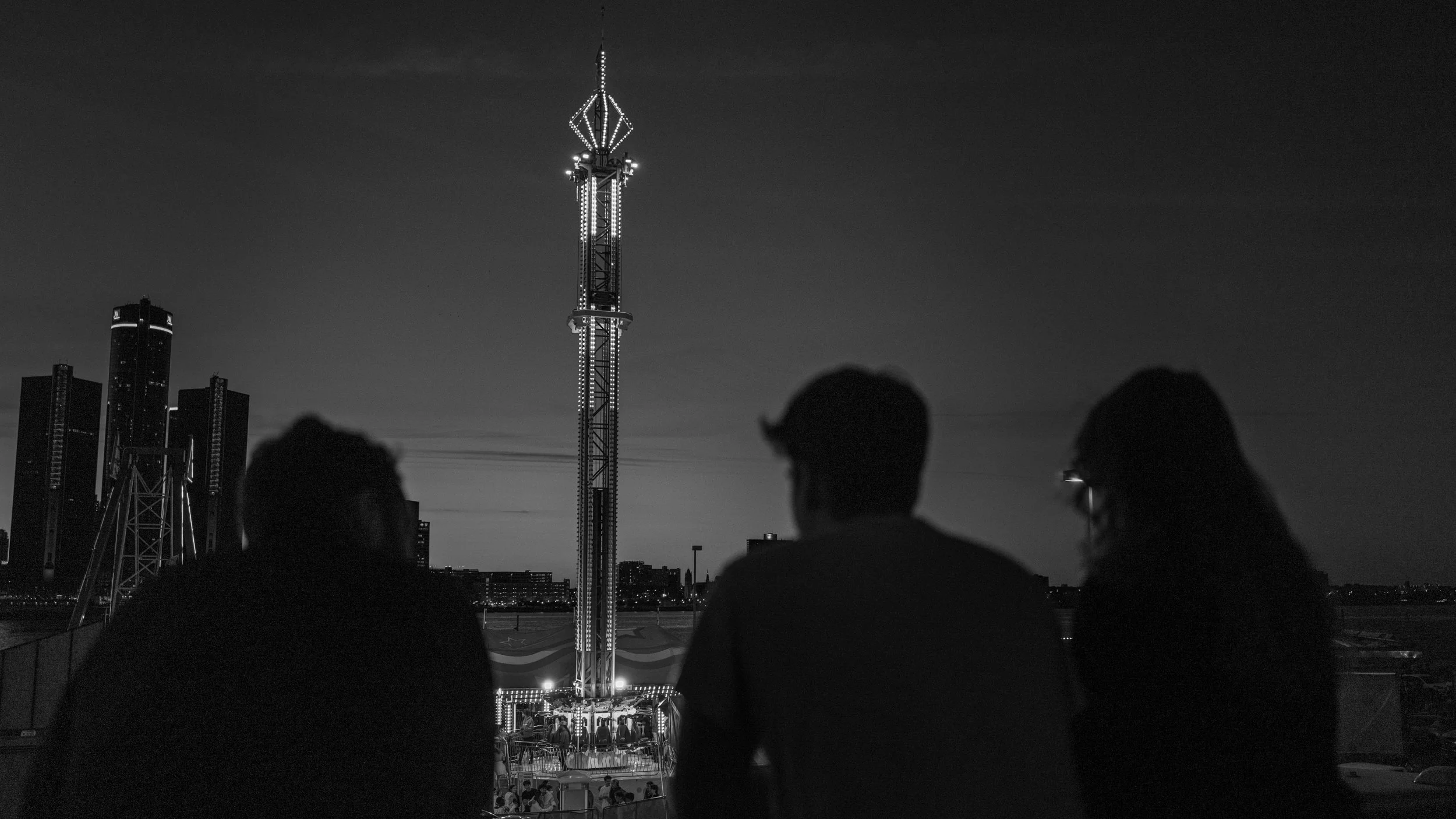
Three Thousand Photographs of a Week
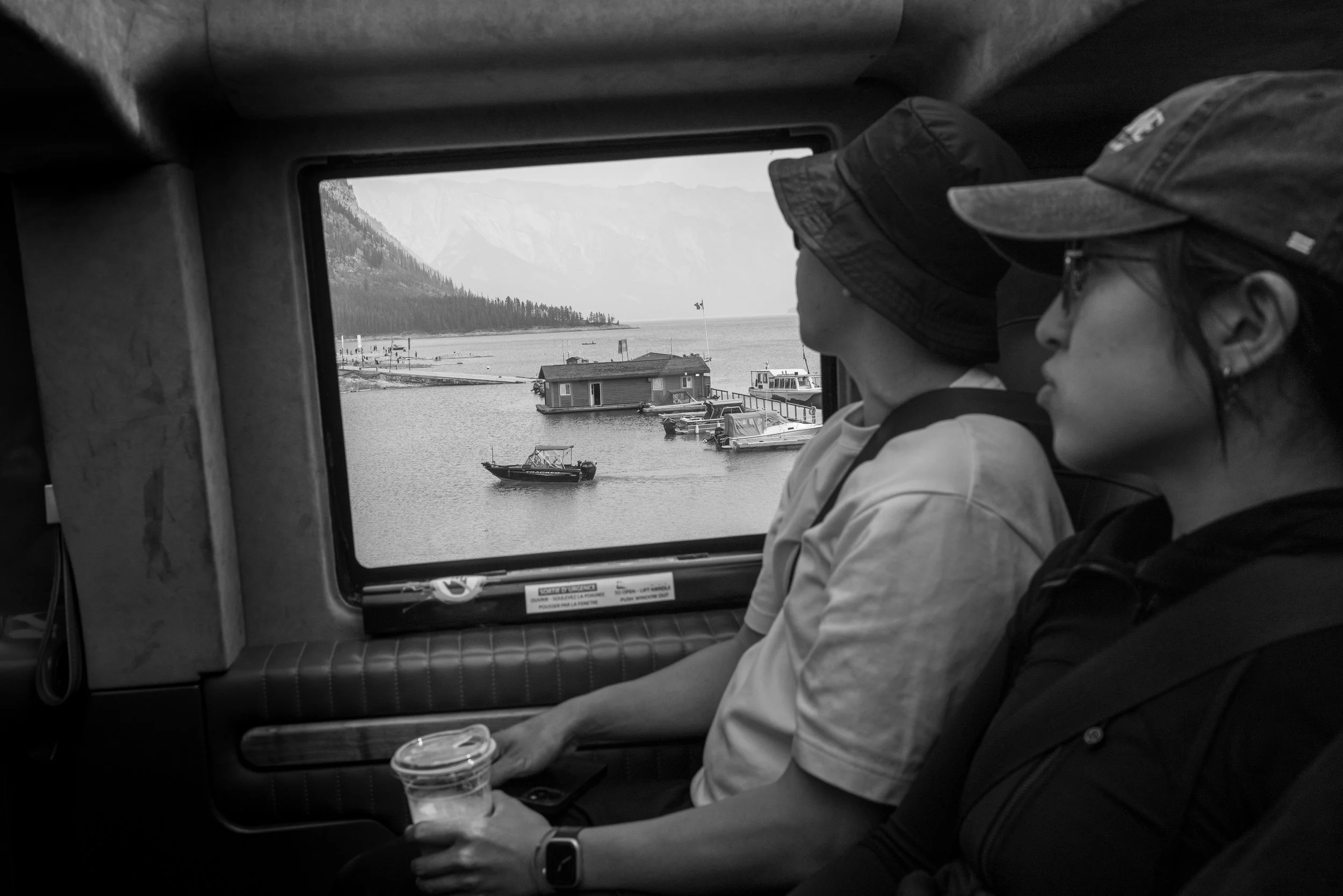
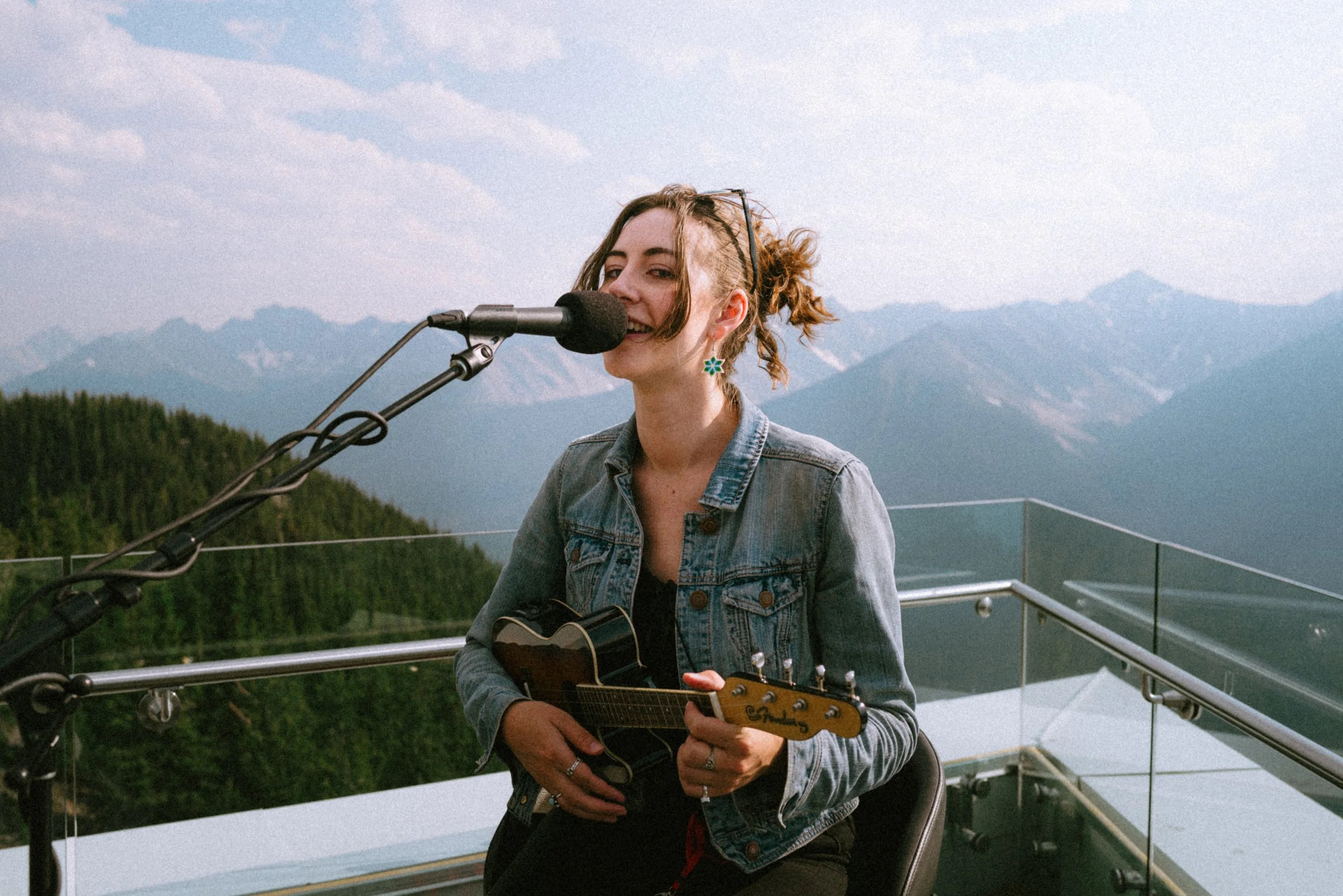
I thought about this a lot after coming home from Banff.
I had taken more than 3,000 photographs over roughly a week.
Some of that was because I was in one of the most beautiful places I had ever seen. There were mountains, lakes, wildlife, long roads, and landscapes that constantly gave me something new to look at. I had brought my Leica specifically because I wanted to photograph the trip.
But looking back, I don't think I was only photographing the beautiful things.
There was always this underlying concern that I might miss something. I wrote about that in my previous post, about how I sometimes felt responsible for documenting the trip properly. I found myself wondering whether I had taken enough photographs of my friends, whether I had photographed a place before we left, and whether there was something I would regret not stopping for.
At the time, I mostly saw it as a conflict between photography and being present. I was trying to figure out whether taking photographs was helping me experience the trip more deeply or pulling me out of it.
I still think about that, but I can see another layer to it now.
I think I was anxious about how much of the week I would eventually forget.
Of course, I was going to forget things. Everyone does. Details disappear first, and then conversations become shorter in your memory. Eventually, an entire week can become something you summarize in a few sentences:
“We went to Banff. It was beautiful. We hiked a lot. We had a great time.”
Three thousand photographs was probably my way of resisting that. The photobook was the physical manifestation of that resistance.
A Photograph Isn't the Memory
The strange thing is that photography has gradually taught me that taking more photographs doesn't necessarily mean preserving more.
I learned that when I turned those 3,000 photographs into a photobook.
Only 72 of them made it in.
At first, that felt almost absurd. I had spent the entire trip worried about missing things, and in the end, I had to leave almost all of what I photographed behind anyway.
But I don't think those other photographs were wasted.
Going through them made me realize that I didn't need every photograph to remember the trip. Sometimes one image was enough to bring back everything surrounding it. A photograph of a mountain reminded me of how tired I was getting there. A photograph of one of my friends brought back a conversation I would never have thought to document. An image that seemed completely ordinary on its own suddenly became important because of everything I remembered around it.
The photograph wasn't the memory itself. It was just somewhere for the memory to begin.
Maybe that's why I don't need to photograph everything, even though part of me still wants to.
The Anxiety of Looking Back
There is another contradiction in photography that I find difficult to ignore.
I take photographs because I am afraid of forgetting, but photographs can sometimes make me anxious about remembering.
An old photograph doesn't only show you what you had. It can make you aware of how long ago you had it.
Sometimes I look through old photographs and feel grateful that I took them. Other times, I feel something much more complicated. I notice how much time has passed since something happened. I see people who have changed. I see places that no longer look the same. I see versions of myself that feel familiar but distant at the same time.
The photograph preserved the evidence, but time kept moving around it.
Maybe that is the part I am still trying to accept.
I can photograph a moment, but I cannot keep living inside it.
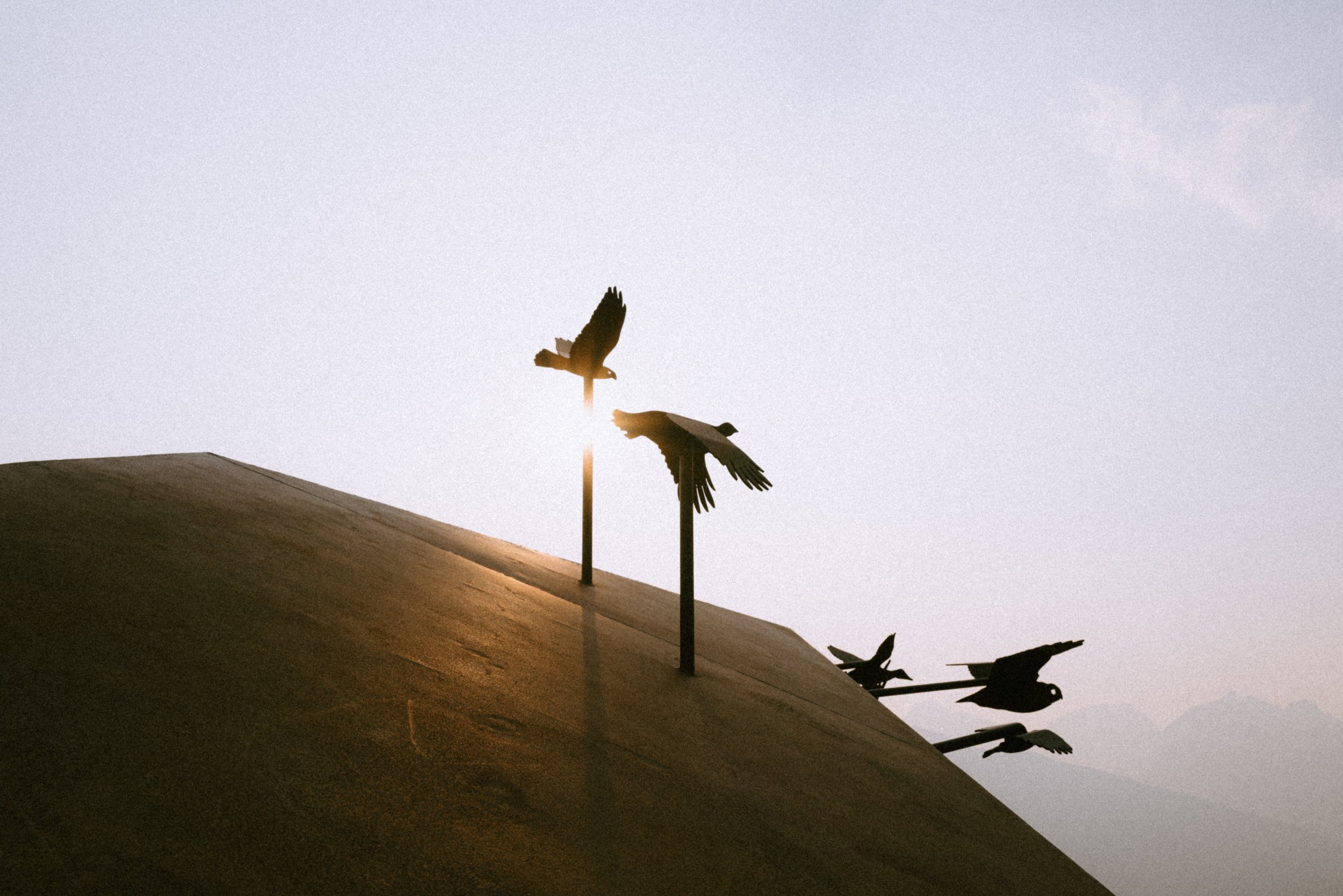
Still, I Take the Photograph
Despite all of this, I don't think I want photography to become less important to me. If anything, understanding this has made me appreciate why I take photographs in the first place.
I know that anxiety is somewhere in my relationship with photography. There are times when I put pressure on myself to document things because I am already imagining what it might feel like to look back on them. I sometimes worry about missing something without even knowing whether it was important.
But I also think there is something very human about wanting to hold onto things, even while knowing that you can't hold onto them forever.
Maybe that's what I mean when I call photography my “protest against time.”
I know how that argument ends. Time keeps moving whether I photograph it or not. The people in my photographs will continue getting older. Places will change. Memories will become less clear. Eventually, I'll probably look at photographs from this part of my life and wonder where all the time went.
I don't have any illusion that a camera can change that. I just know that I like having something to return to.
A photograph can't give me the moment back, but years later, it might remind me of something I had forgotten. It might bring back a place, a person, a conversation, or a version of myself that had started to disappear around the edges.
And maybe that is enough.
I think I'll probably always be someone who takes too many photographs. I'll probably continue carrying a camera when I don't need to, and stopping for things that other people walk past without noticing.
Some of that is because I love photography.
Some of it, admittedly, is probably anxiety.
But I think both can be true.