Everything Outside the Frame
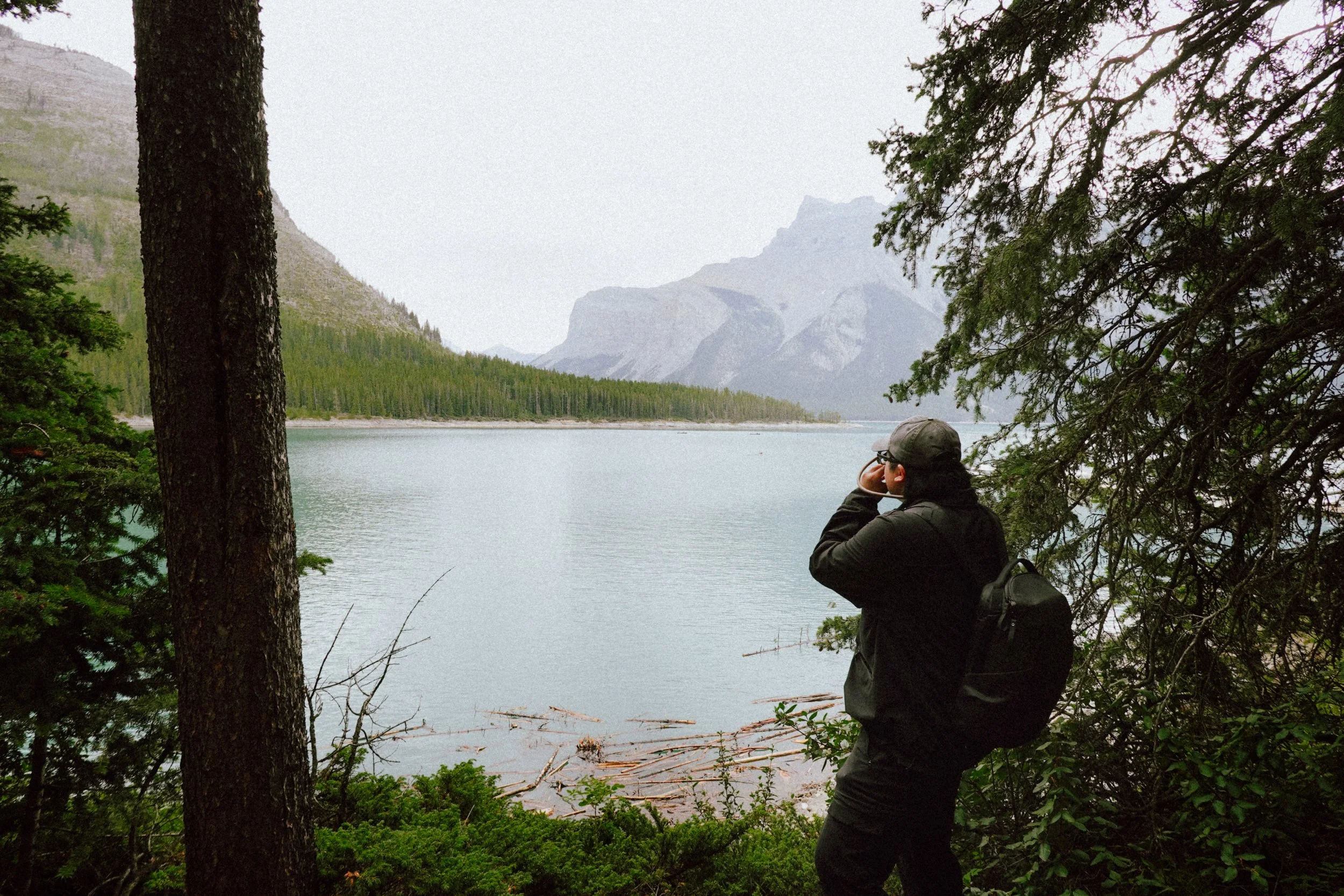
When I wrote about buying my Leica Q2 in my previous blog post, I mentioned that it was the only camera I brought with me to Banff.
At the time, I had said that I wanted the trip to feel like a break. I didn't want to bring multiple cameras or a bag full of lenses and turn the entire week into a production. I wanted to bring one camera, work within its limitations, and simply photograph what I saw.
That part turned out to be true. What I didn't really expect, however, was how much having a camera with me would change the way I experienced the trip itself.
Before we had even left, I had already romanticized the idea of bringing the Q2 with me. I had saved up vigorously for that camera, and when my friends and I started planning a trip through the Canadian Rockies, I remember thinking that this was exactly the kind of experience I had imagined having with it. Mountains, lakes, long drives, unfamiliar places, hikes, and a week away with friends. It felt like the perfect opportunity to finally take the camera somewhere that felt much bigger than my usual walks around my small city.
There is something interesting about caring about photography before an important trip even begins. You can start imagining the photographs before you have actually experienced the moments attached to them. In a way, I think I had already begun picturing parts of the trip through a camera before I had even seen them with my own eyes.
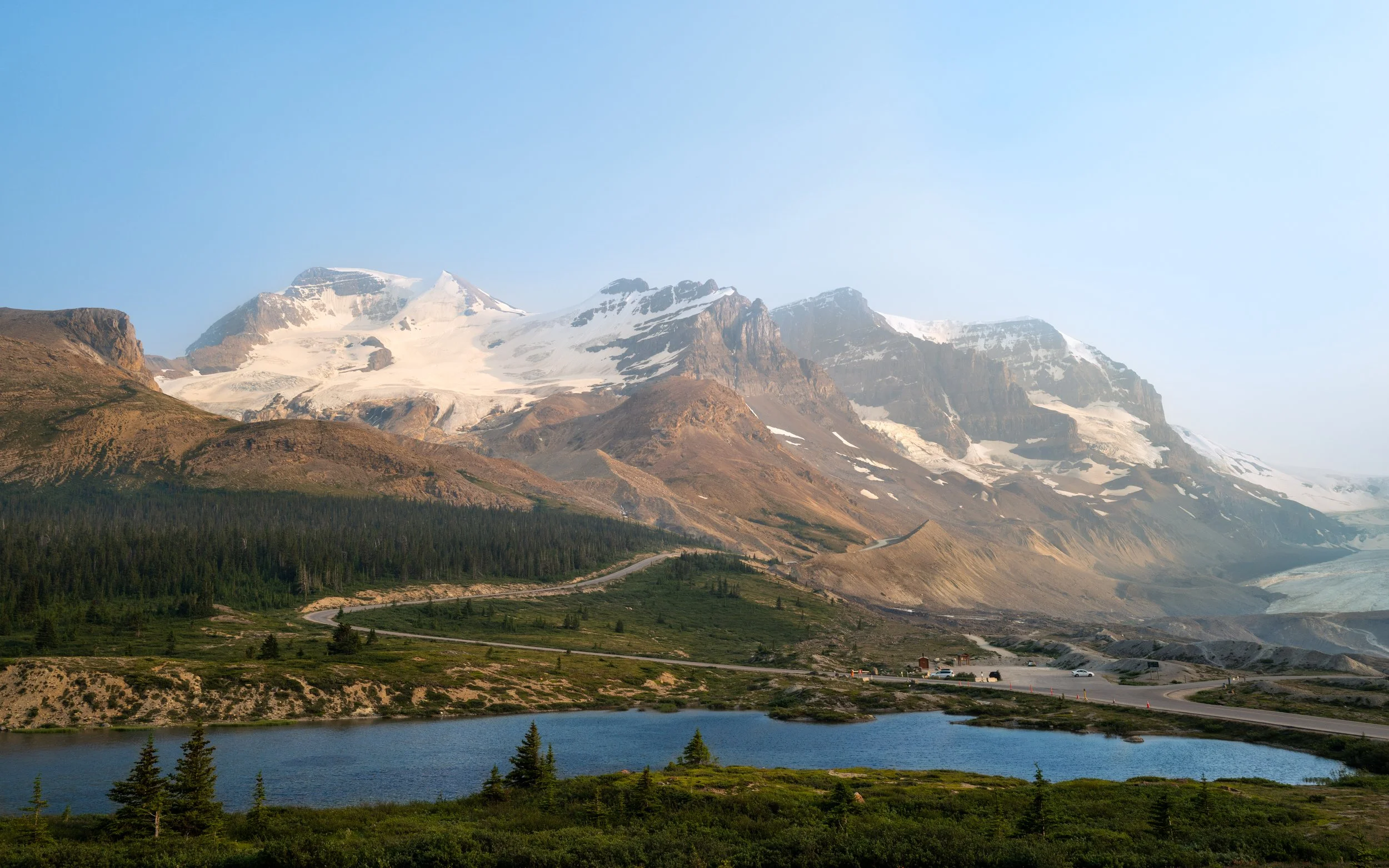
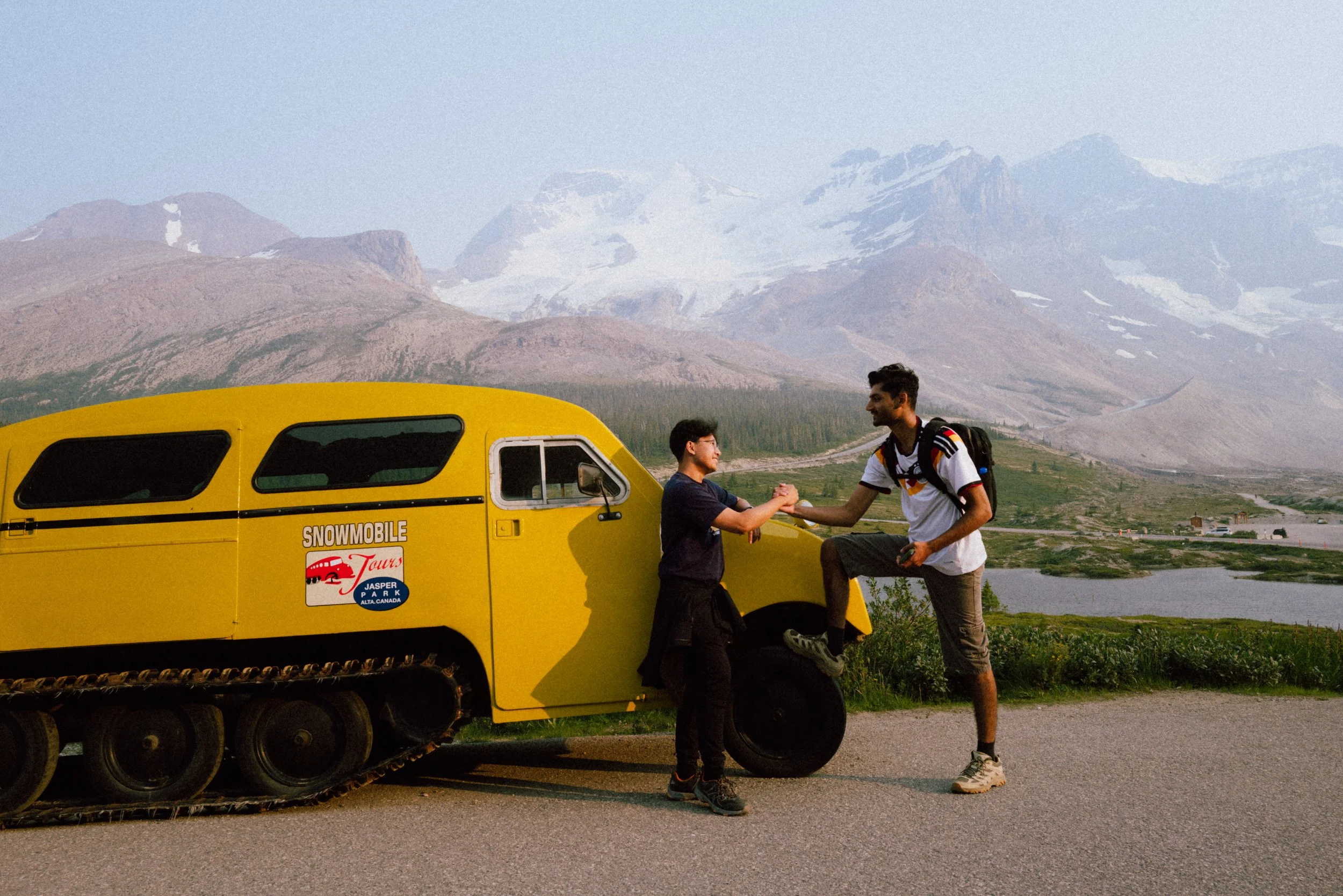
Mount Adromeda, Columbia Icefield, AB
Preparing for the Photography
I prepared for the trip accordingly. I bought extra batteries and packed numerous camera accessories to make sure I had everything I could possibly need. I didn't want to find myself standing in front of something incredible only to realize that my camera was dead or that I had forgotten something important.
Looking back, I may have put almost as much effort into preparing to document the trip as I did preparing for the trip itself, although I don't think that's necessarily unusual when you care about photography. The camera can become part of the anticipation. You're not only excited about where you're going; you're also excited about what you might see through the camera once you get there.
For me, this trip was exactly that.
Over roughly a week, we travelled through Banff, Canmore, Calgary, Jasper, and British Columbia. We visited the Golden Skybridge, saw Mount Andromeda and the Columbia Icefield, visited several lakes, completed hikes, and did countless other trails and treks along the way. Every single day, we walked more than 20,000 steps.
I had thought about the photographs I wanted to take, the camera I wanted to bring, and everything I might need to keep it going throughout the trip. What I hadn't really thought about was what it would actually take to get to some of those photographs.
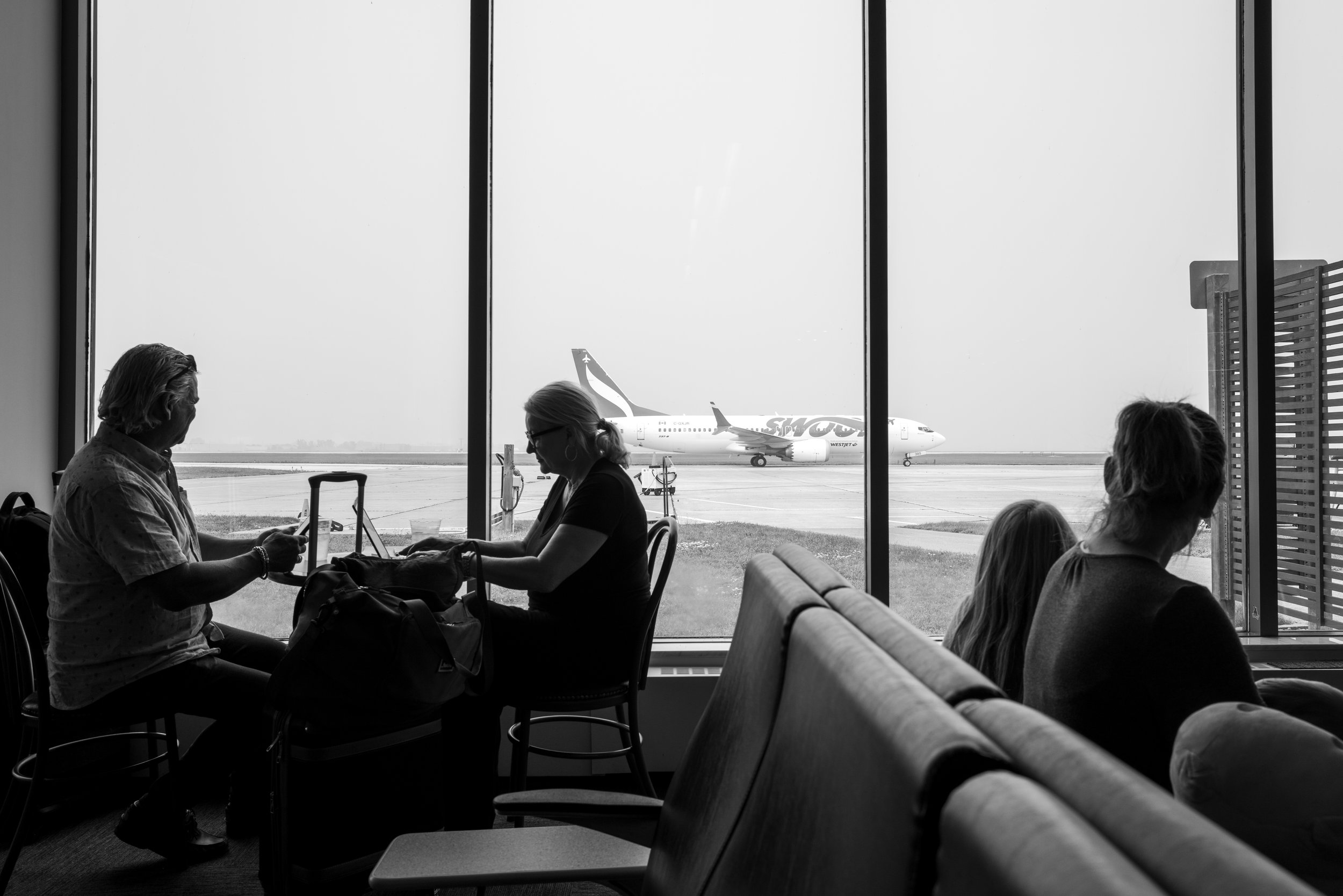
A quiet moment in the airport
The Part I Wasn't Prepared For
The trip was incredible, but it was also physically demanding for me.
I'm the first to admit that I wasn't in the shape I should have been for some of the hikes we did. That's something I'm working on, but I definitely felt it throughout the week. Three hikes might not sound like much on paper, but when you combine them with the amount of walking we did between destinations, the constant moving, and multiple days with more than 20,000 steps, it started to catch up with me.
There were times when I had mentally prepared myself for taking photographs but physically had to work much harder than I expected just to get myself to the places where I could take them. And honestly, many spots I could not even reach. That was something I hadn't really considered before the trip.
A finished photograph has a way of making everything that happened before it disappear. You can look at a photograph of a mountain and see a quiet, beautiful moment, but the image doesn't show the trek that came before it, how tired you were by the time you arrived, or whether everyone else was already waiting for you to put the camera away and catch up.
Travel photography isn't always just arriving somewhere beautiful and taking out your camera. Sometimes the photograph comes after the hike, the walk, the drive, and everything else required to get you there in the first place. I think that became increasingly obvious to me as the trip went on, especially when we were moving at a pace that meant there was usually somewhere else to be once we had finished wherever we were.
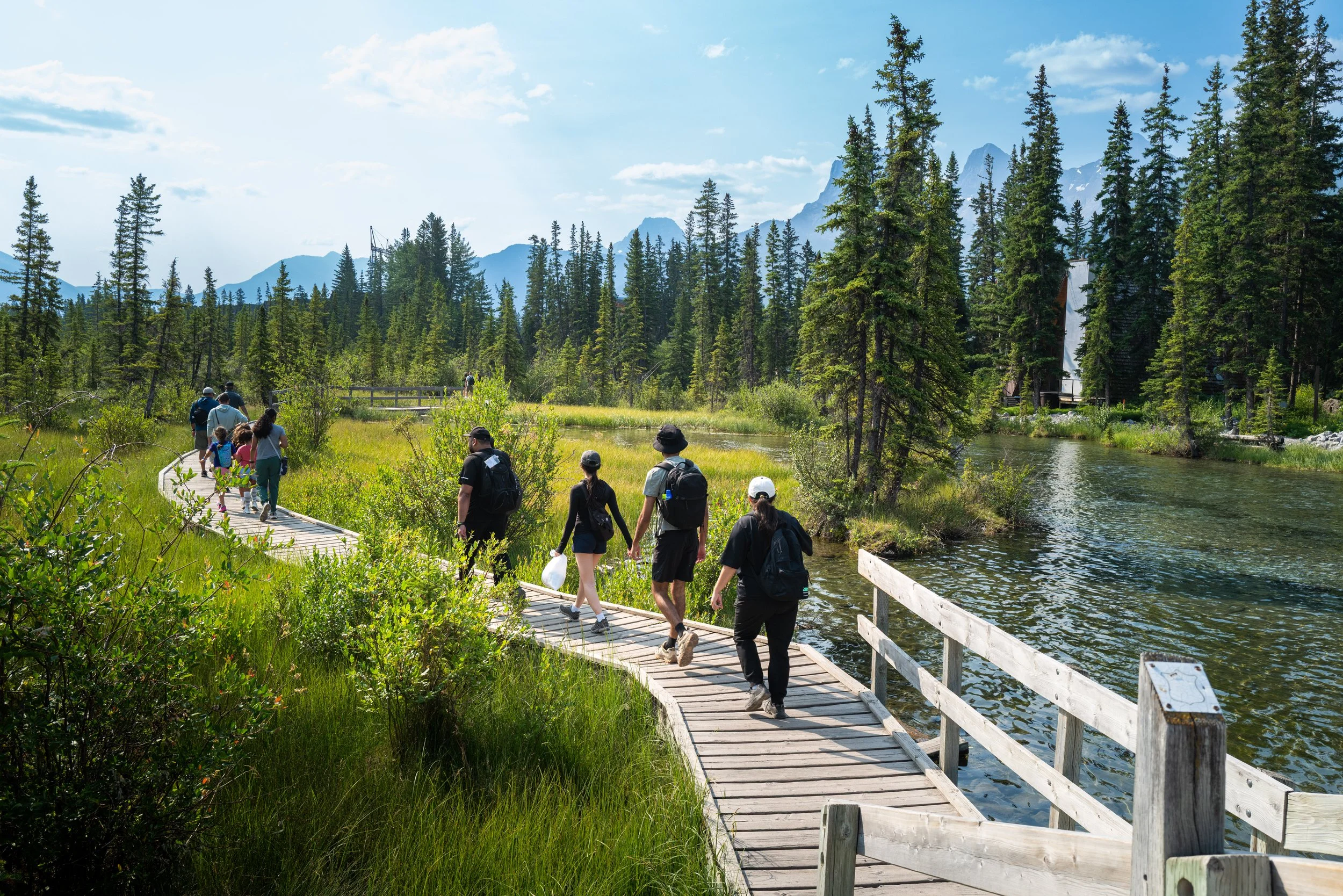
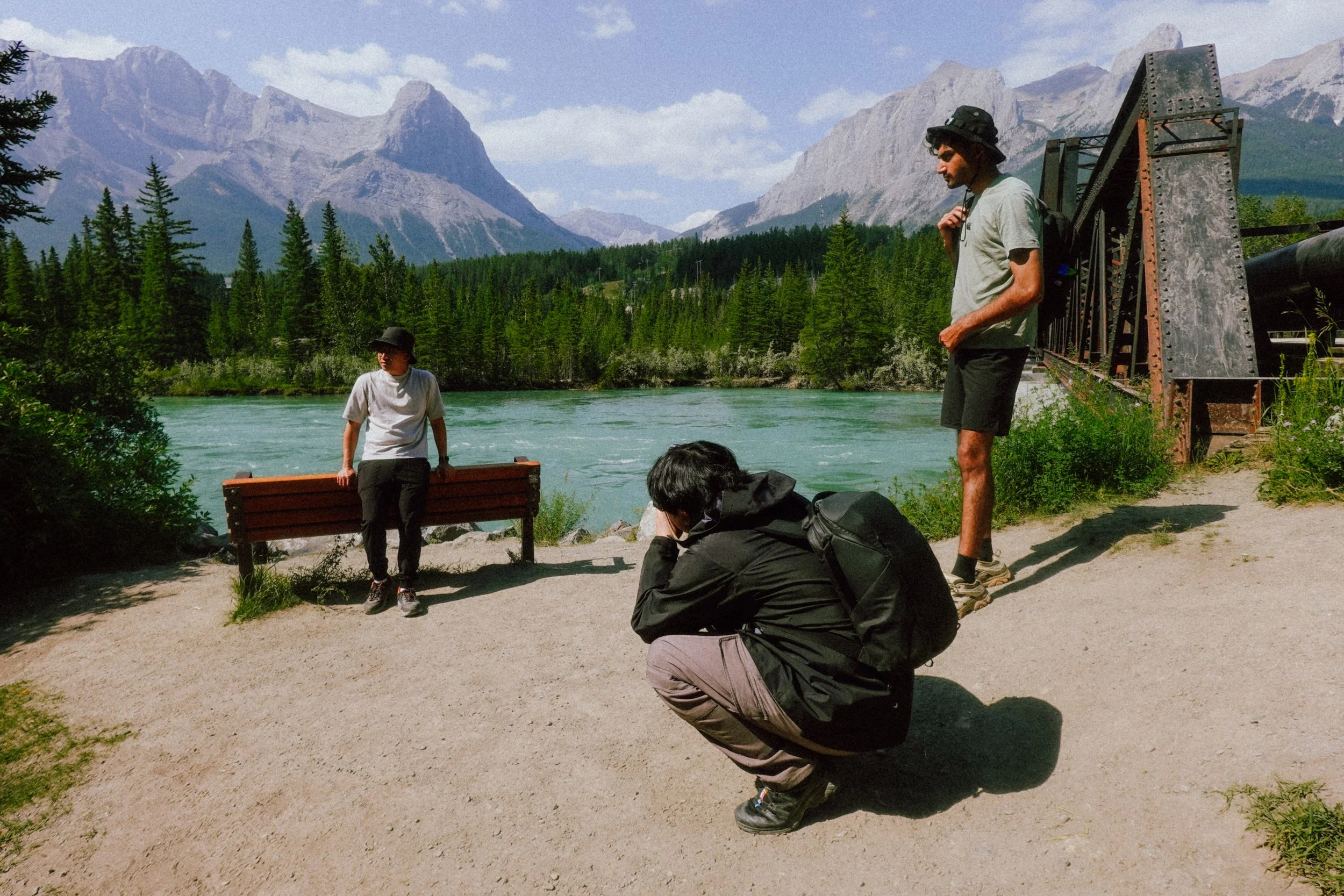
Boardwalk in Canmore, AB
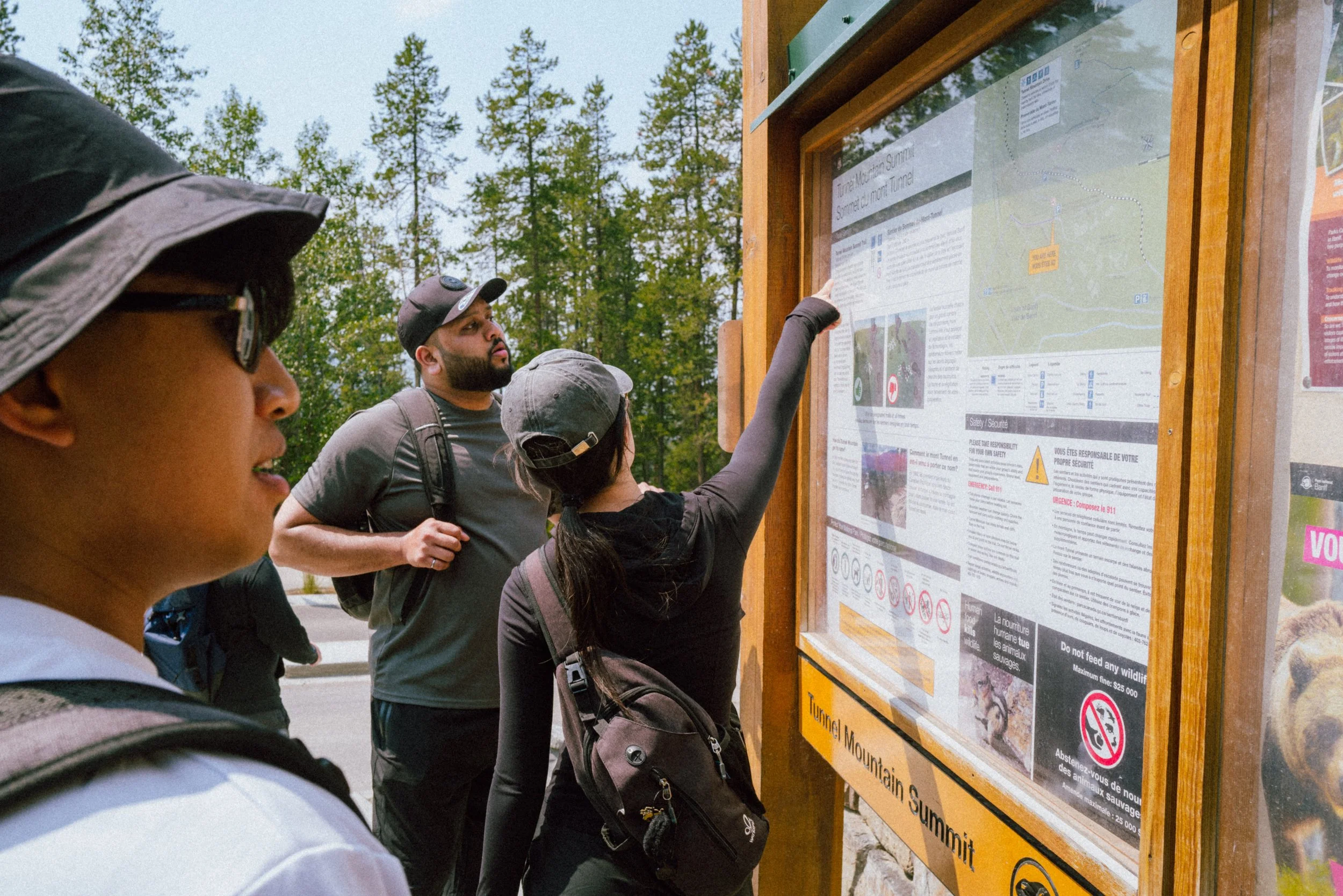
Entrance of Tunnel Mountain Summit
I Became the Person With the Camera
Nobody assigned me the responsibility of documenting the trip. My friends never turned to me and said that I had to take photographs of everything, and I don't think I went into the trip expecting that I would eventually feel responsible for it either.
But I had the camera, and naturally, I was taking pictures.
At first, I was photographing things for myself. The mountains, lakes, roads, wildlife, and all of the things I had been looking forward to seeing. Somewhere during the trip, however, I started thinking about the photographs differently.
I wasn't only asking myself whether I wanted a picture of something anymore. I started wondering whether the trip itself needed to be documented. Did I have enough photographs of everyone? Did I get a picture of this place before we left? Was there anything important that happened today that I would regret not photographing? Would this make it into the album? And eventually, would it make it into the photobook I had already made a personal goal of creating?
Without really noticing it at first, I started to feel like I was the person responsible for making sure parts of the week didn't disappear once we went home.
I think there is an interesting contradiction in that. Having a camera can make you notice more, but the more seriously you take the responsibility of documenting something, the easier it can become to stop simply experiencing it and start managing it. I wasn't being asked to do that by anyone else, but once I had given myself the goal of documenting the trip for my friends and eventually creating a photobook from it, that pressure became something I had created for myself.
When Photography Starts to Feel Like Work
This was probably the strangest part of the trip for me.
I had brought my camera because I love photography, and because I wanted the trip to give me an opportunity to photograph somewhere completely different from what I was used to. But at times, photography started to feel a little like work.
Not because anyone was asking me to work, and not because I wasn't enjoying taking the photographs. I had created the pressure myself.
I had a personal goal of putting together a photobook after the trip, and once I had that idea in my head, I started looking at the week as something I needed to document properly. When we were constantly moving from one place to another, there was always another view, another hike, another activity, or another moment that felt like it could be important later.
I think there is a difference between wanting to take a photograph and feeling like you might regret not taking one, and at some point during the trip, I began feeling the latter more often than I expected.
Photography can become complicated when the act of preserving a moment starts to compete with the moment itself. You're still physically there, but part of your attention has already moved somewhere else. You're thinking about the photograph you might make, how it will look later, whether you have photographed enough, and whether this is one of those moments you will regret not stopping for.
At its best, photography can make you more present by giving you a reason to pay closer attention. At other times, however, it can make you feel as though you're standing slightly outside of the experience, trying to make sure you've preserved it properly. I don't think I spent the entire trip on one side or the other. I found myself somewhere between the two, and I think that tension is part of what eventually made me reflect on the trip differently once I got home.
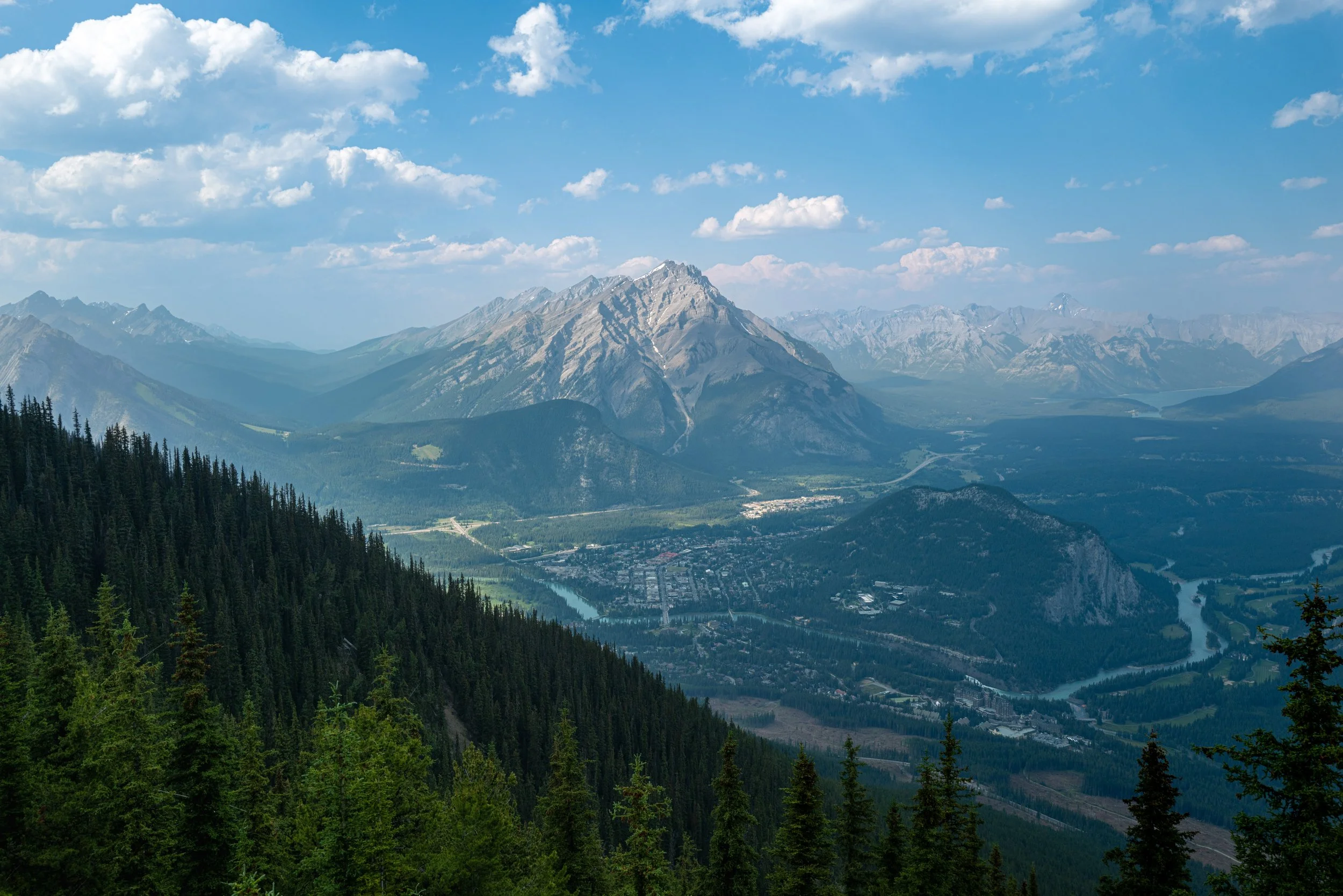
Summit of Sulphur Mountain
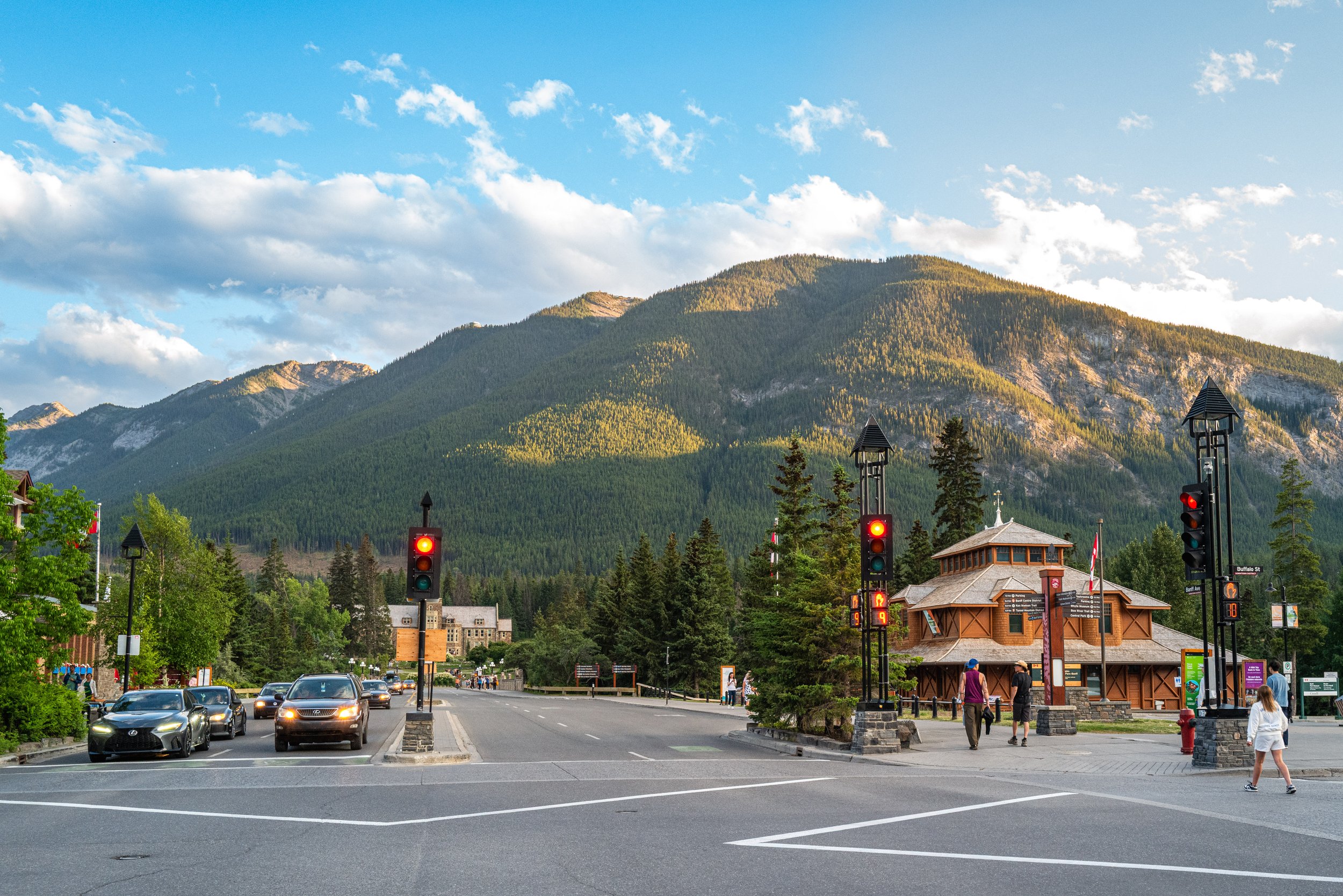
Crosswalks at Town of Banff, AB
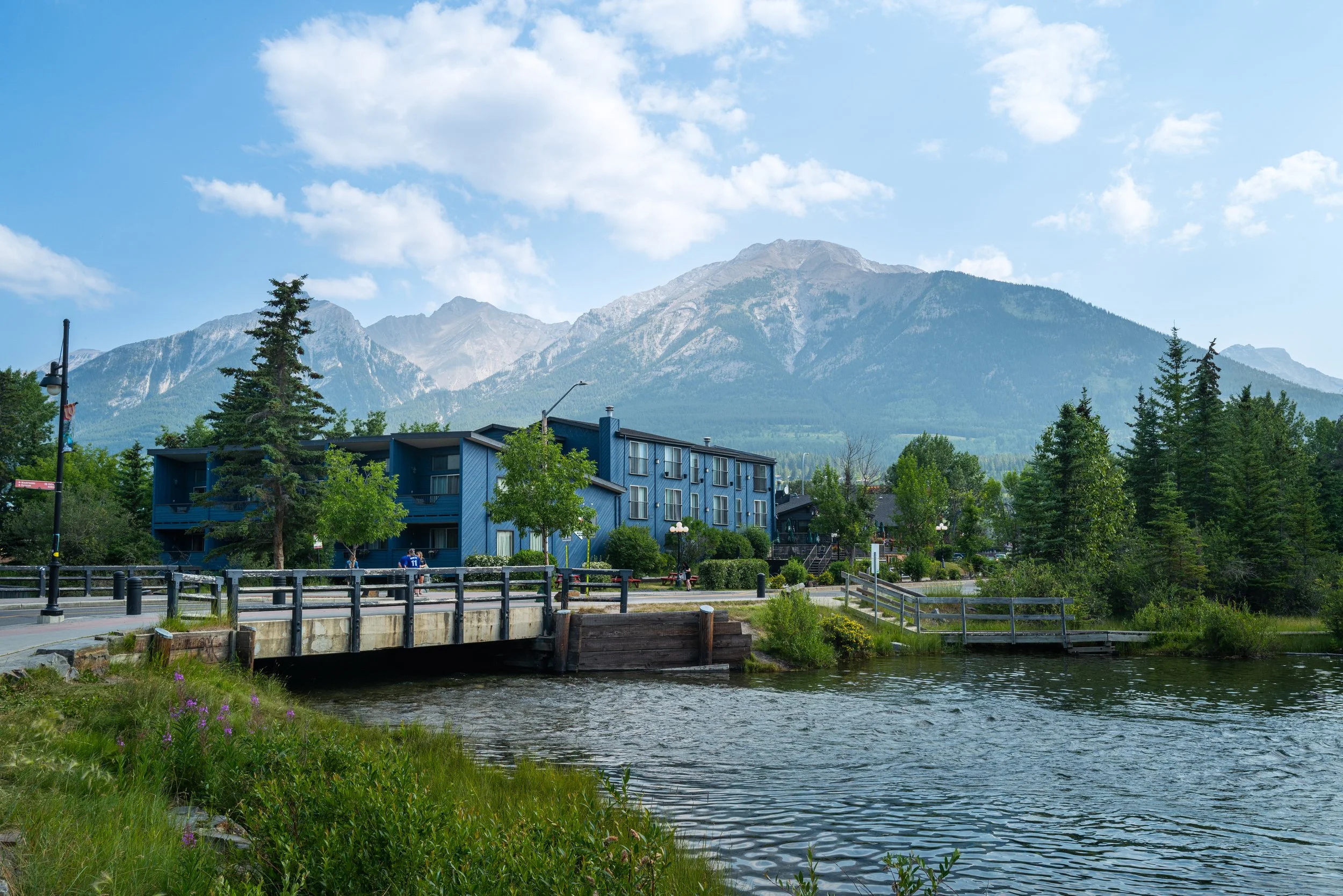
Canmore, AB
The Way the Camera Made Me Look
Despite all of that, I don't think I would have experienced the trip in quite the same way without having a camera with me.
That is the contradiction I keep coming back to. Having a camera occasionally made me feel like I was working when I was supposed to be on vacation, but it also made me pay attention to things that I probably would have otherwise walked past.
The obvious landscapes were impossible to miss, but the camera encouraged me to look beyond them. I noticed the way mountains overlapped in the distance, the light changing throughout the day, and the way a road could completely change the feeling of a landscape. I started paying more attention to the people around me as well, especially when they were standing somewhere that helped show just how massive everything around us really was.
Sometimes, I stopped for a photograph when I probably would have otherwise kept walking, and that often meant I spent longer looking at something than I normally would have.
I think that's one of the things I love most about photography. A camera doesn't just record what you're looking at; at least for me, it gives me a reason to spend more time with it. Photography often pushed me beyond simply seeing something and encouraged me to consider why it had caught my attention in the first place.
A camera doesn't always make you more present, and I don't think I would pretend otherwise after this trip. But I do think it can make you more observant, and looking back, that may be the more important distinction.
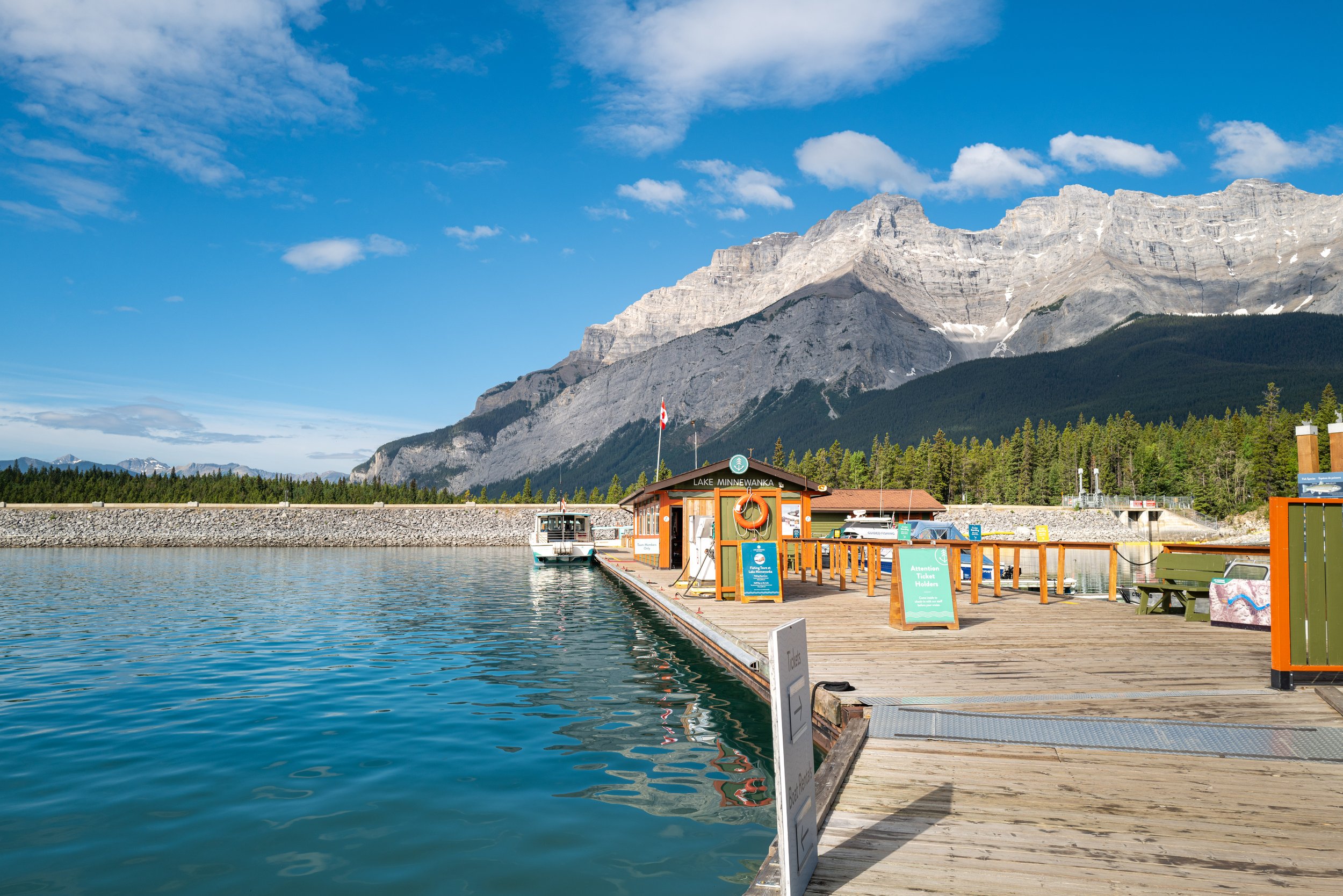
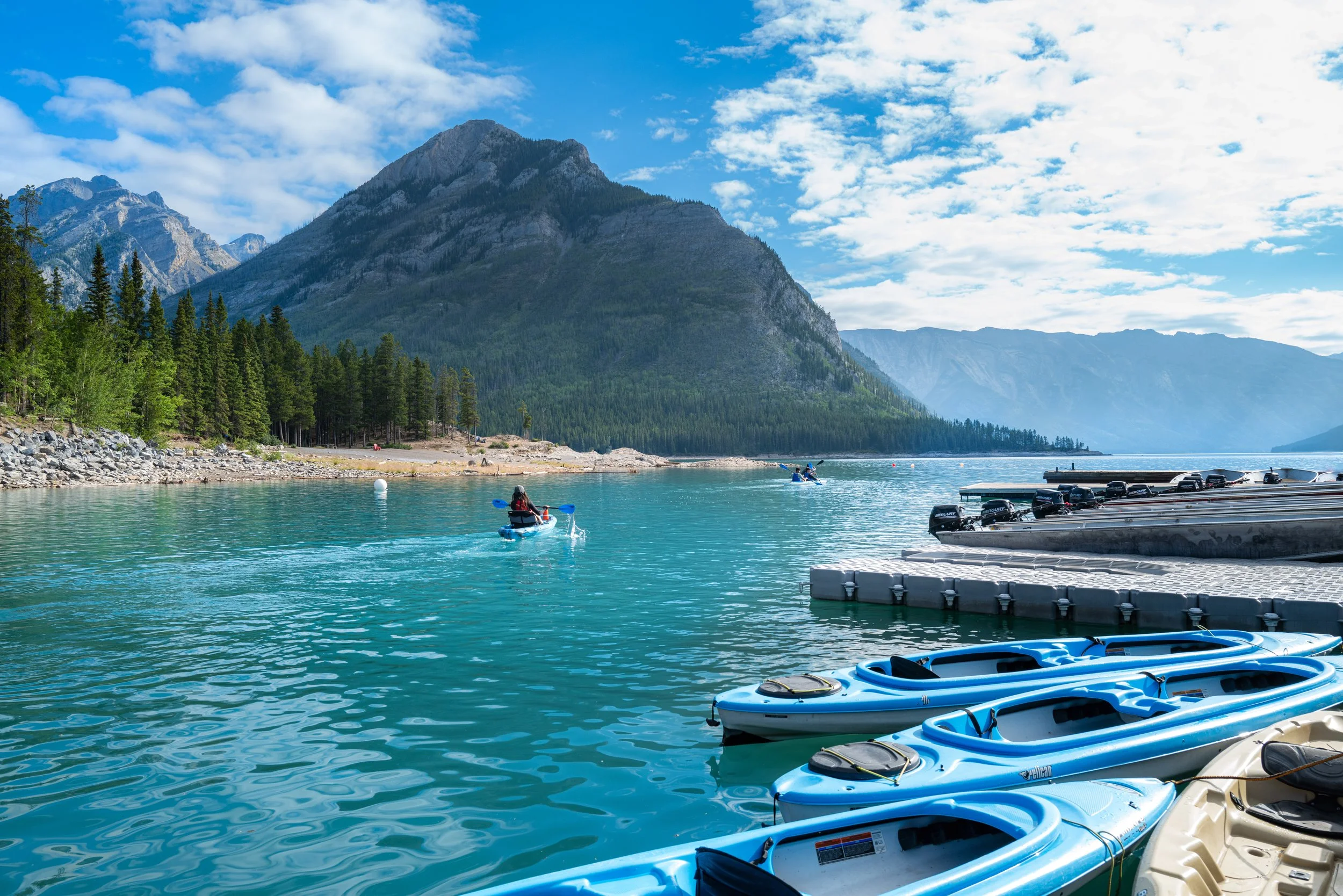
Lake Minnewanka, AB
Not Every Photograph Was About the Landscape
By the end of the trip, some of my favourite photographs weren't necessarily the ones I would consider my best. They weren't always the dramatic mountain landscapes or the images I had spent time carefully composing.
Some of them were photographs of my friends. Candid interactions and images that probably wouldn't mean very much to someone who hadn't been there. But those photographs eventually became just as important to me.
The trip wasn't really about collecting views. The views were incredible, obviously, but they weren't the entire reason we went. What I remember is who I was standing beside when I saw them. My wife and my friends. I remember being tired after a long day, the conversations between destinations, and the moments that would never make a postcard.
The more photographs I took, the more I realized that I wasn't really trying to photograph Banff, Canmore, Jasper, or anywhere else. I was trying to photograph our experience of being there and truly being in the moment.
I think that is where travel photography becomes more interesting to me. The place matters, and sometimes it is the reason you travelled there in the first place, but once you return home, the photograph can become attached to everything that existed around it. A mountain can remind you of the hike it took to get there, a photograph of a friend can bring back an entire conversation, and an image that would mean almost nothing to someone else can become one of the most valuable photographs you took.
The photograph doesn't need to contain the entire memory. Sometimes it only needs to contain enough to bring you back to everything surrounding it.
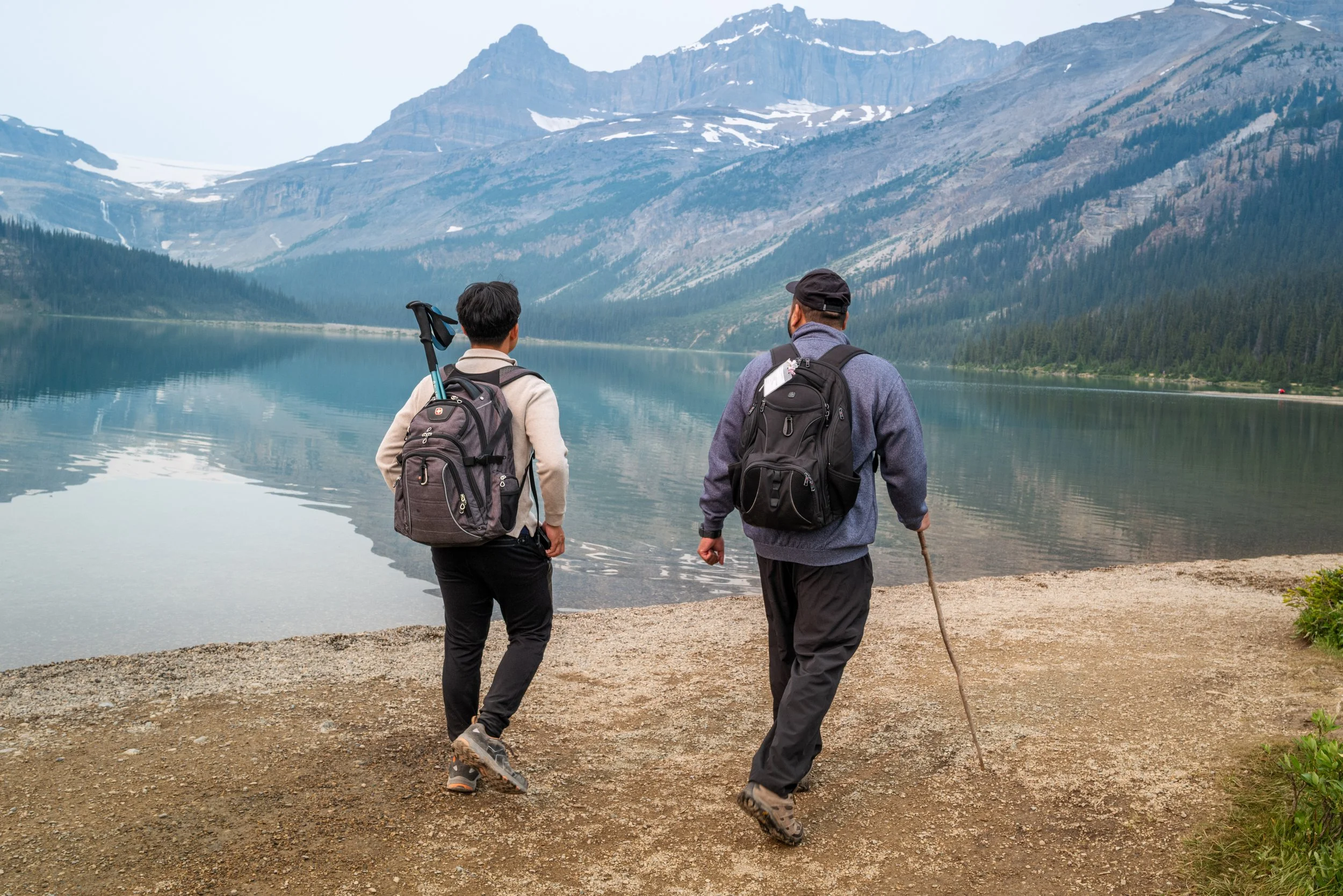
A light walk along Bow Lake, AB
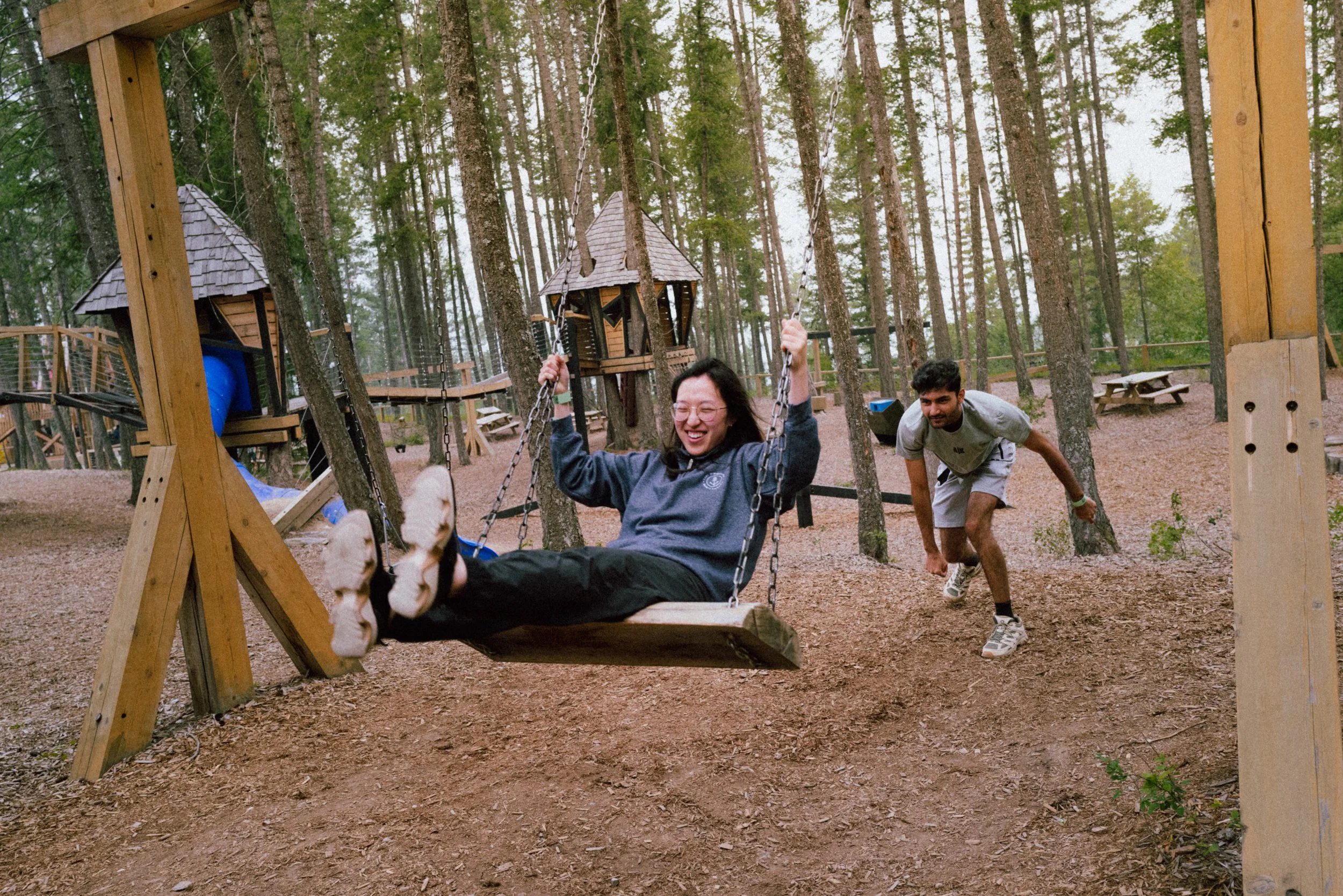
Golden Skybridge, BC
Three Thousand Photographs Later
The photography didn't really end when the trip did.
I came home with 3,000+ photographs, and going through them became its own process. I had to sort through everything ( and honestly, I’m still sorting), compare similar photographs, reject images I had liked while taking them, edit the ones that stayed, and eventually figure out which photographs actually represented the week.
More than 300 photographs eventually made their way into a shared Google album for my friends, but I still had the photobook in mind. I had set a personal goal of creating one before the trip, and eventually I narrowed the collection down again. After going through everything and refining the final selection, I ended up with 72 photographs in the finished book.
There was something almost ironic about that process. During the trip, I had felt pressure to make sure I didn't miss too much, but when I came home, I had to accept that most of what I photographed wasn't going to make the final cut.
Out of 3,000 photographs, only 72 ended up in the book.
I think that process helped me understand something I hadn't really considered while I was travelling. Documenting everything and preserving the experience are not necessarily the same thing. In the end, deciding what to leave out became just as important as deciding what deserved to stay, because the final photobook wasn't meant to prove that I had photographed every part of the trip. It was meant to represent what the trip had felt like to me and the people I had experienced it with.
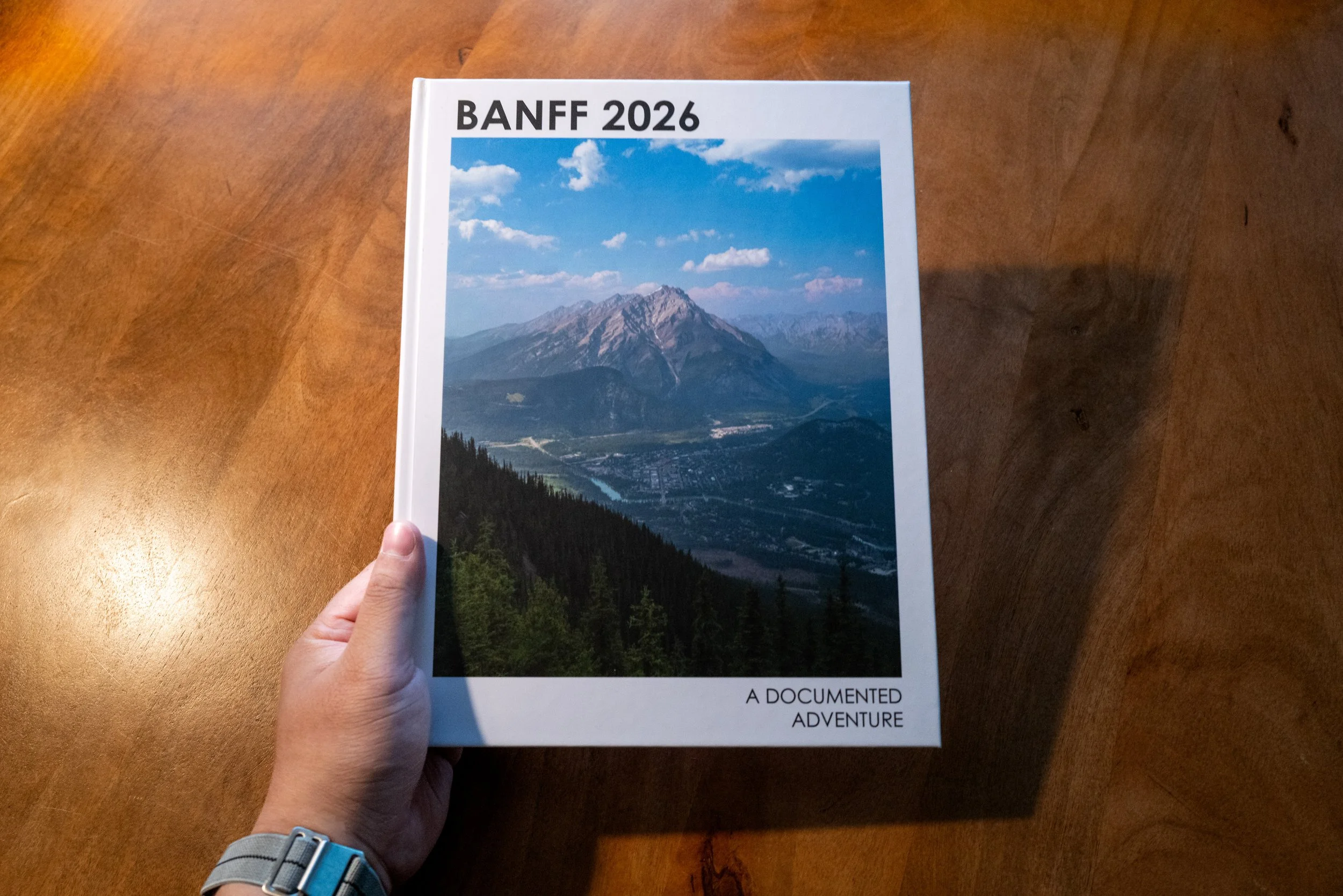
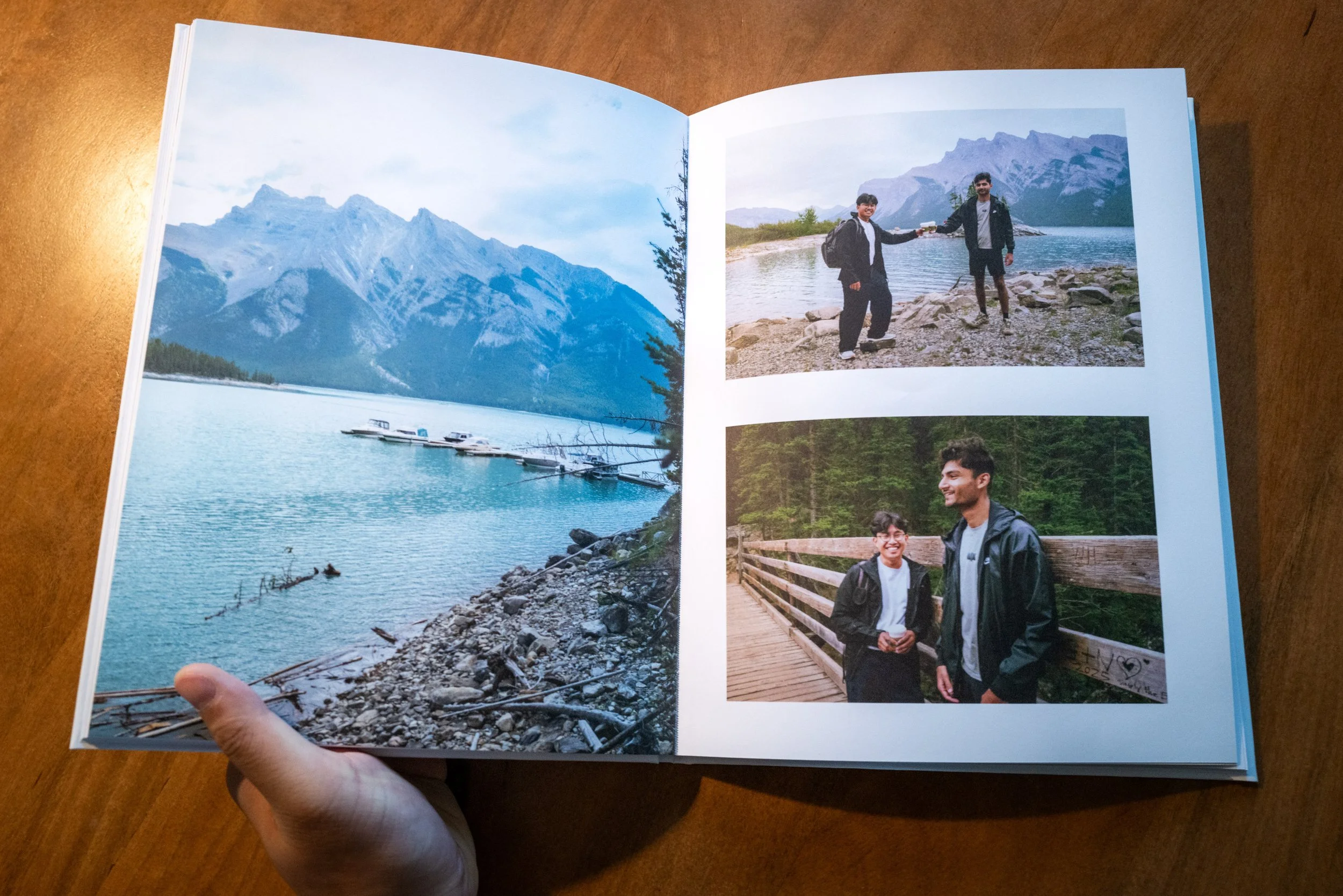
A Documented Adventure
Holding the finished photobook made me understand the trip a little differently.
During the week, there had been times when I felt like I was putting pressure on myself to photograph things properly. At times, it almost felt like I was working. Looking back at 3,000 photographs afterward probably didn't make that feeling disappear either, but seeing the photographs arranged together changed something.
They were no longer just individual images sitting in Lightroom or a Google Photos album. They became a sequence, and the photographs began to mean more because of the images surrounding them.
The mountain photographs had people attached to them. The photographs of my friends reminded me where we had been. Images that probably wouldn't have stood out on their own became important because they helped connect everything together.
I eventually realized that I wasn't really trying to create a collection of my best photographs. What I was trying to create, without fully realizing it during the trip, was a record of the week itself.
There is a meaningful difference between those two things. If my goal had simply been to create a portfolio of my strongest work, a lot of the photographs in the book probably wouldn't have been included. Some of them aren't there because they are technically perfect or because they are the most beautiful images I took. They're there because they belong in the larger story of the trip. They help explain what happened before or after another photograph, they remind me who I was with, and they make the larger landscapes feel less like somewhere I visited alone.
In the end, I think that made the photobook more valuable to me than a collection of only the “best” images would have been.
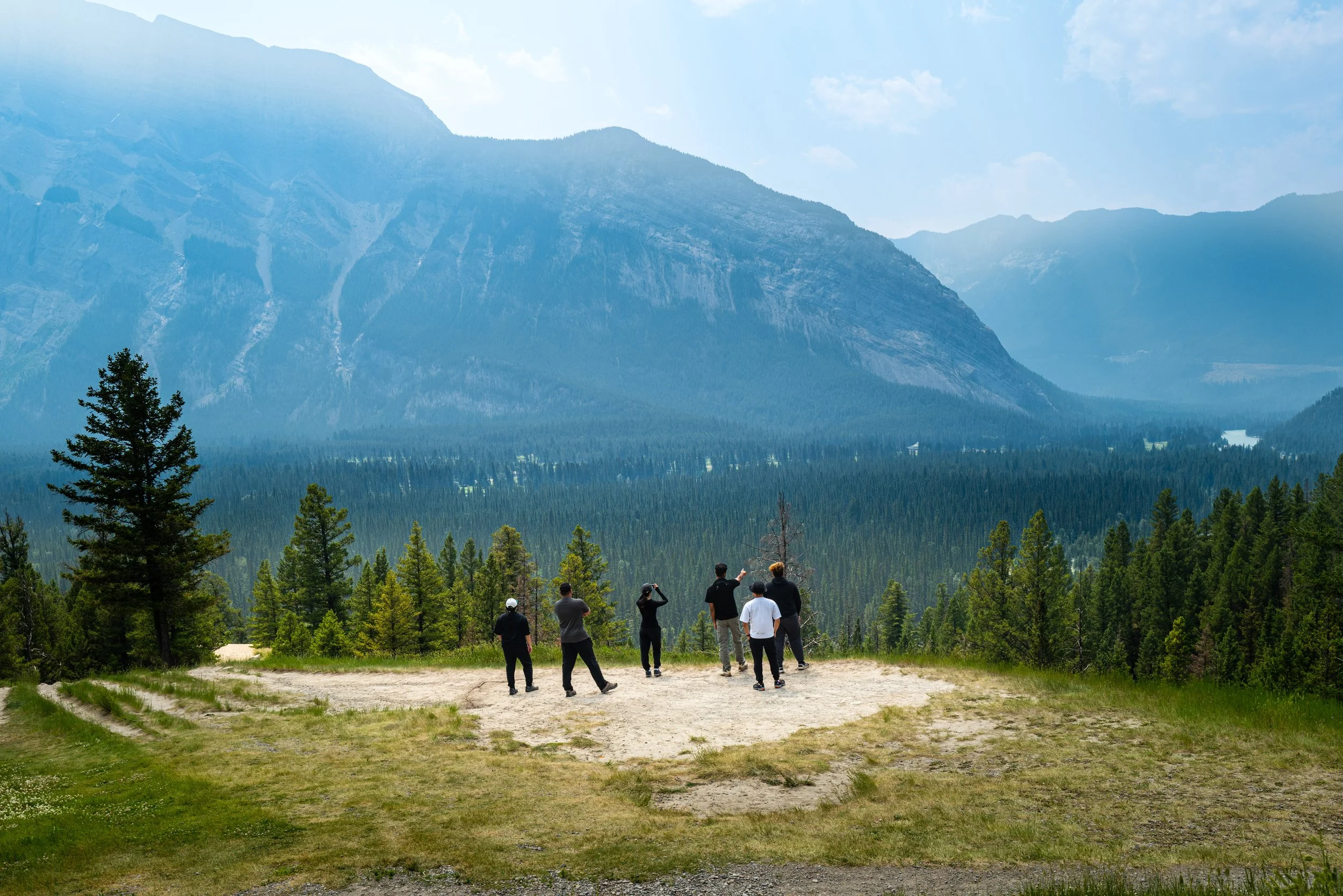
The Way a Camera Makes You Look
Looking back at the trip, I don't think the most important part of the experience had anything to do with the specific camera I brought.
The Q2 was important to me personally. I had saved for it, I was excited to bring it with me, and it was part of how I had imagined the trip before it even began. But I don't think the photographs I came home with, or the things I learned while taking them, were dependent on it being a Leica.
I could have taken most of these photographs with another camera. In some cases, even a phone would have been enough to preserve the moment. The central experience would have remained largely the same, because the questions I found myself thinking about during the trip had very little to do with the equipment itself.
How much of an experience should you spend trying to preserve? When does stopping to photograph something help you experience it more deeply, and when does it begin to pull you away from the moment you're trying to remember?
I don't think there is a perfect answer to either question, and I certainly don't think I found one during this trip. Instead, I found myself somewhere in the middle. There were moments when I probably should have put the camera down, but there were also moments I would have walked past too quickly if I hadn't stopped to photograph them. Sometimes the pressure I put on myself to document everything made photography feel like work, while other times photography was the exact reason I slowed down enough to actually appreciate where I was.
I think both sides are simply part of the experience.
A camera doesn't just preserve the way something looked. It can also change the way you experience something while you're still there.
I went on this trip hoping to come home with photographs of one of the most beautiful places I had ever seen, and I certainly did. I came home with far more photographs than I probably know what to do with, but when I look through them now, what I appreciate most isn't necessarily the photograph by itself. It's everything attached to it.
A mountain can remind me of the hike it took to get there, a photograph of a friend can bring back an entire conversation, and a landscape that appears completely quiet within the frame can remind me of everything that was happening just outside of it. No collection of photographs, regardless of how many I took or how carefully I selected them afterward, could ever contain an entire trip.
I don't have Banff preserved in those photographs. What I do have is a record of the way I experienced it.
And perhaps more importantly, I have evidence of the way photography changed how closely I was looking while I was still there.
Written and photographed by Tae Bounmy
Published August 2026