More Than a Camera
I bought my Leica Q2 in March 2026, after wanting one for longer than I probably care to admit.
Like many photographers, I was drawn to Leica’s history, design approach, and the prestige that surrounds the red dot. But beneath all of that, I was looking for something more personal: a reason to feel connected to shooting photos again.
I started using cameras in 2023. At first, photography was both a creative outlet and a way to create another stream of income. I worked with Sony cameras, learned the technical side, and produced a plethora of work in several different industries. But somewhere along the way, photography began to feel more like work than a practice I did for myself.
This camera changed that.
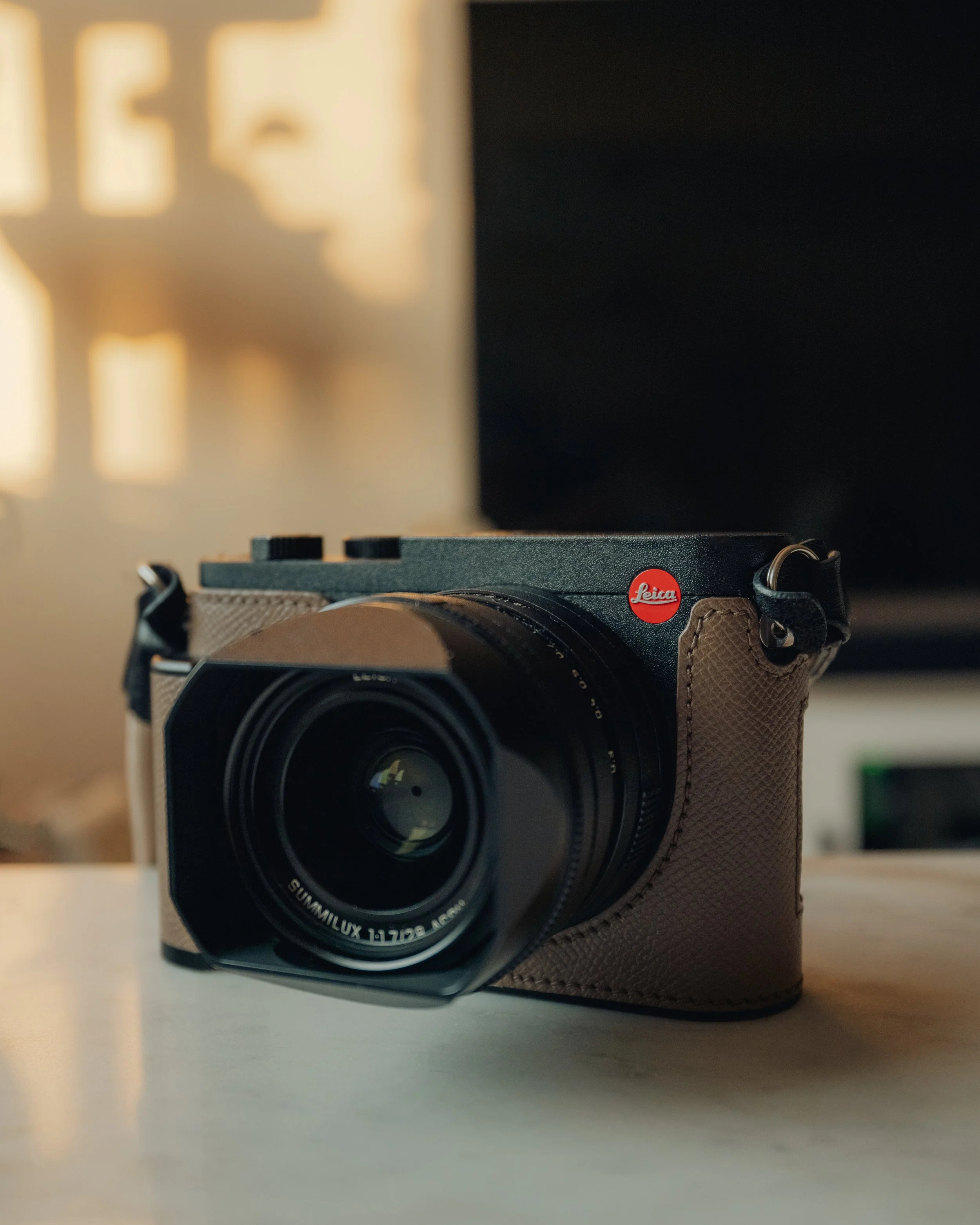
The Leica Q2 - Bought second-hand on Facebook Marketplace.
A camera that made me want to carry it
The Q2 did not suddenly make me a better photographer. No camera can do that. It does not create an eye for composition, teach patience, or make an ordinary moment meaningful on its own.
But it made me want to carry a camera again.
There is something about the experience of using it that feels unusually direct. The aperture ring on the lens. The dials click into place. The interface is clean and uncomplicated. It asks you to pay attention to the things that matter, then gets out of the way.
That simplicity was important to me. With larger setups, it is easy to begin thinking about the gear before the photograph—what lens to bring, what settings to use, whether the situation is worth pulling the camera out for. The Q2 made that decision feel easier. I could pick it up, leave the house, and trust that it was enough.
It feels premium, but not in a way that makes it precious (even though, if I’ll be the first to admit… I kind of ‘baby’ it). The Q2 feels like a tool you want to use.
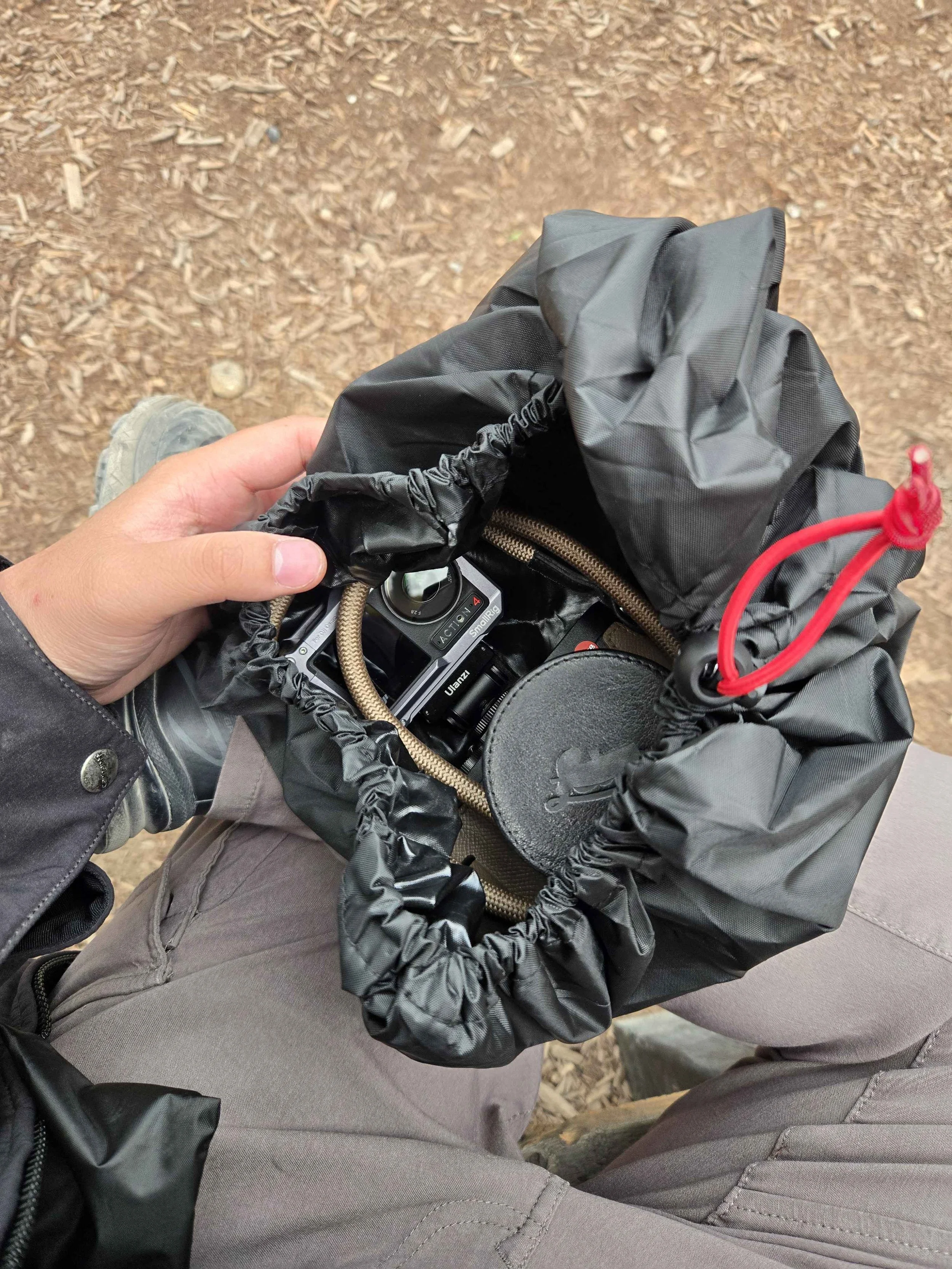
Placing the Leica Q2 in a waterproof bag during a light downpour.
Finding photographs in ordinary moments
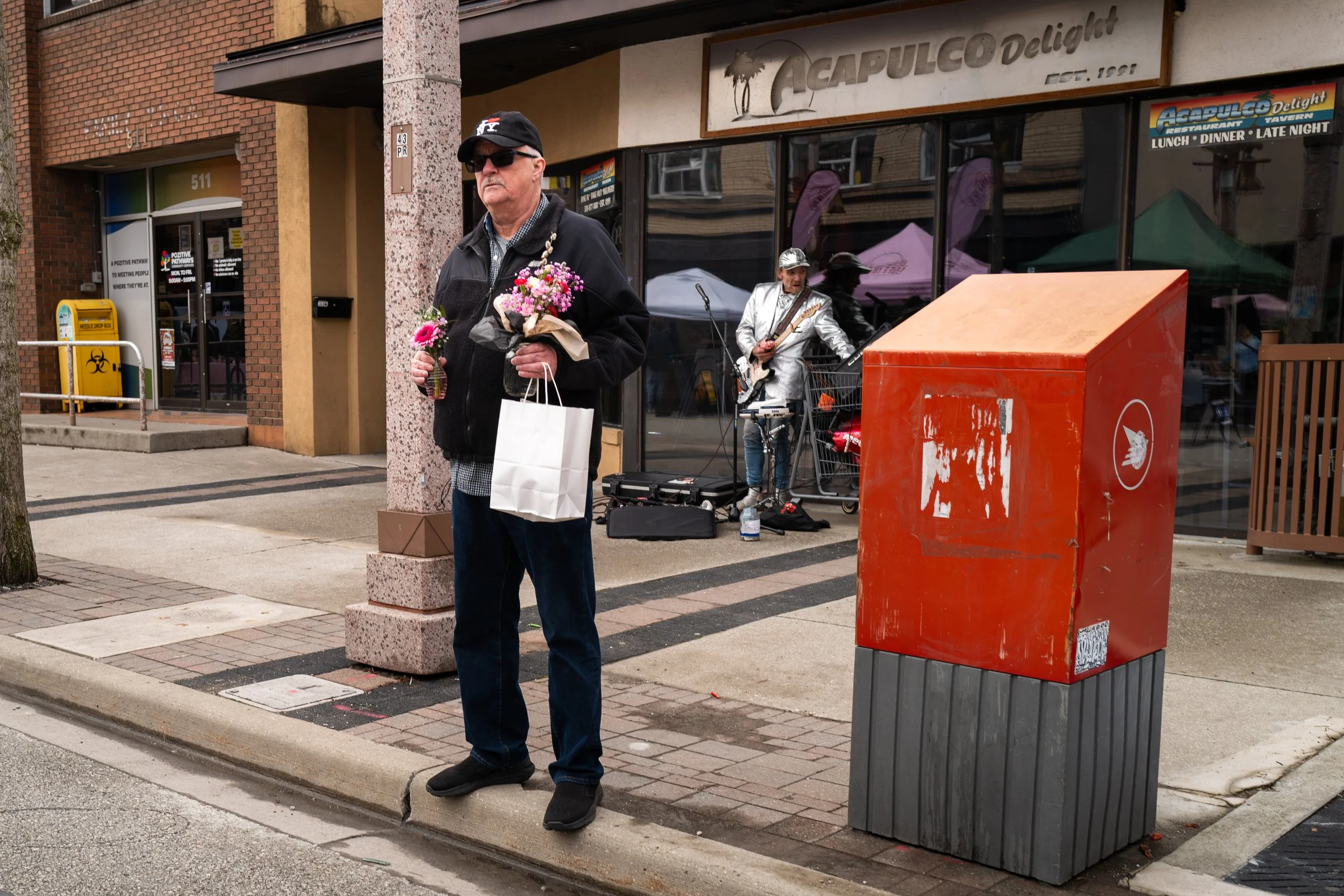
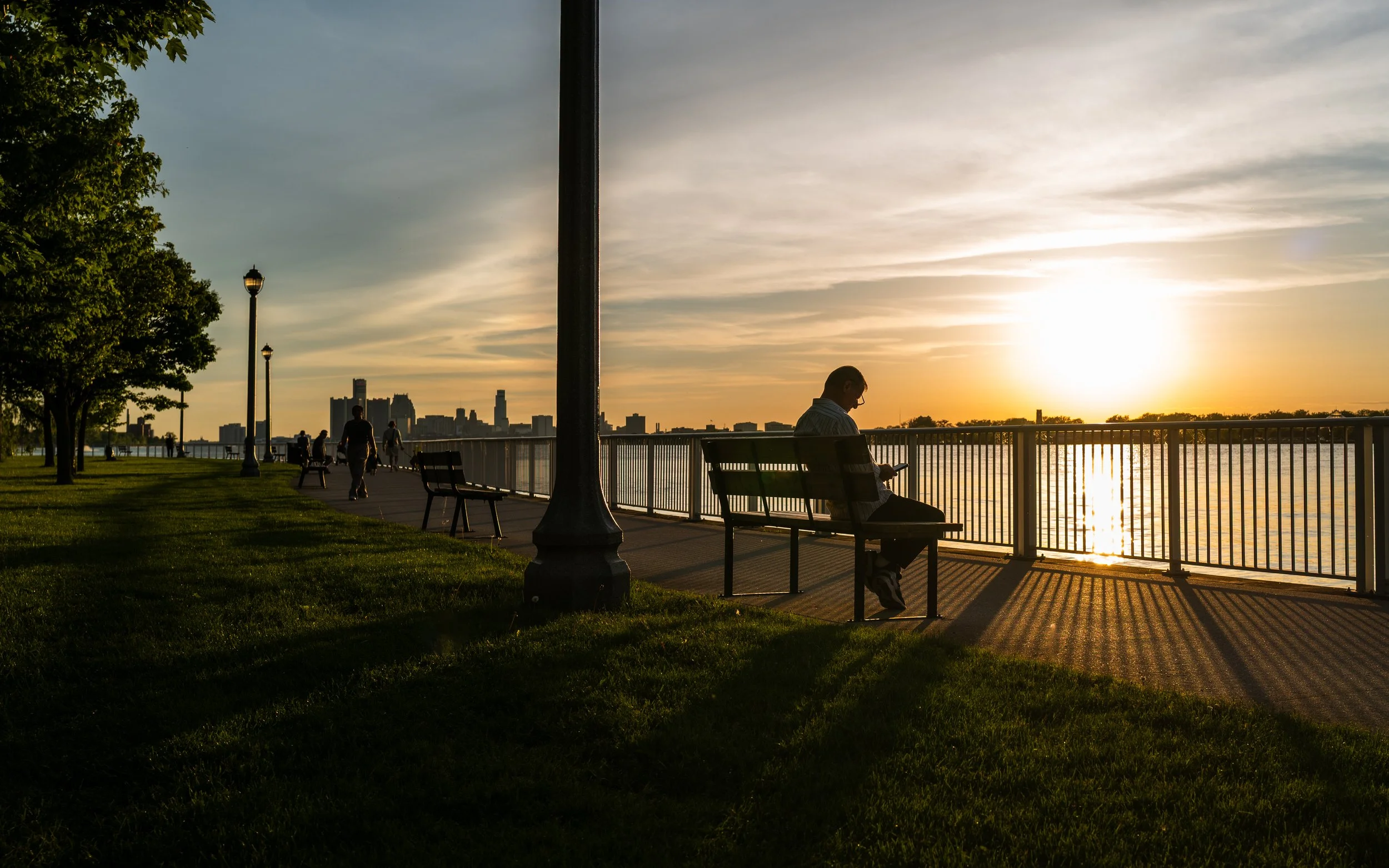
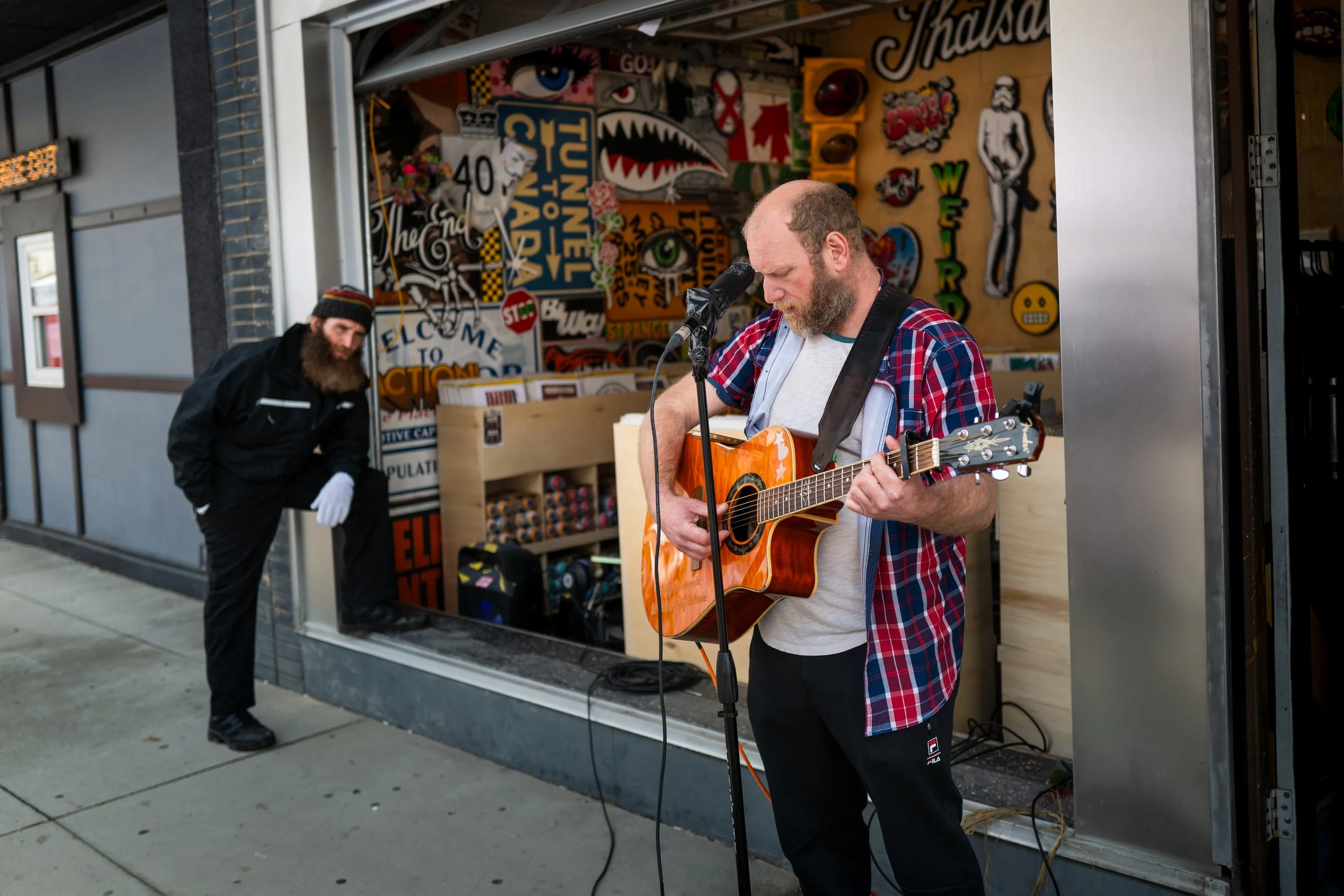
Since buying it, I have used the Q2 for everything: the mundane moments at home, walks with my cat, evenings by the water, street scenes, and the small details that would have otherwise passed by unnoticed.
The change was not that every day suddenly became visually interesting. I live in a fairly average and boring city. Most days still looked the same: a walk around the neighbourhood, time at home, errands, and familiar streets. But having the Q2 with me has changed the way I pay attention to them.
It has made photography feel less like something I need to plan and more like a second nature—a way of paying attention to the life already happening around me. I’ve seen an expression that goes around the photography community that reads something like: “the camera is an extension of my body”.
This is the exact embodiment of that expression.
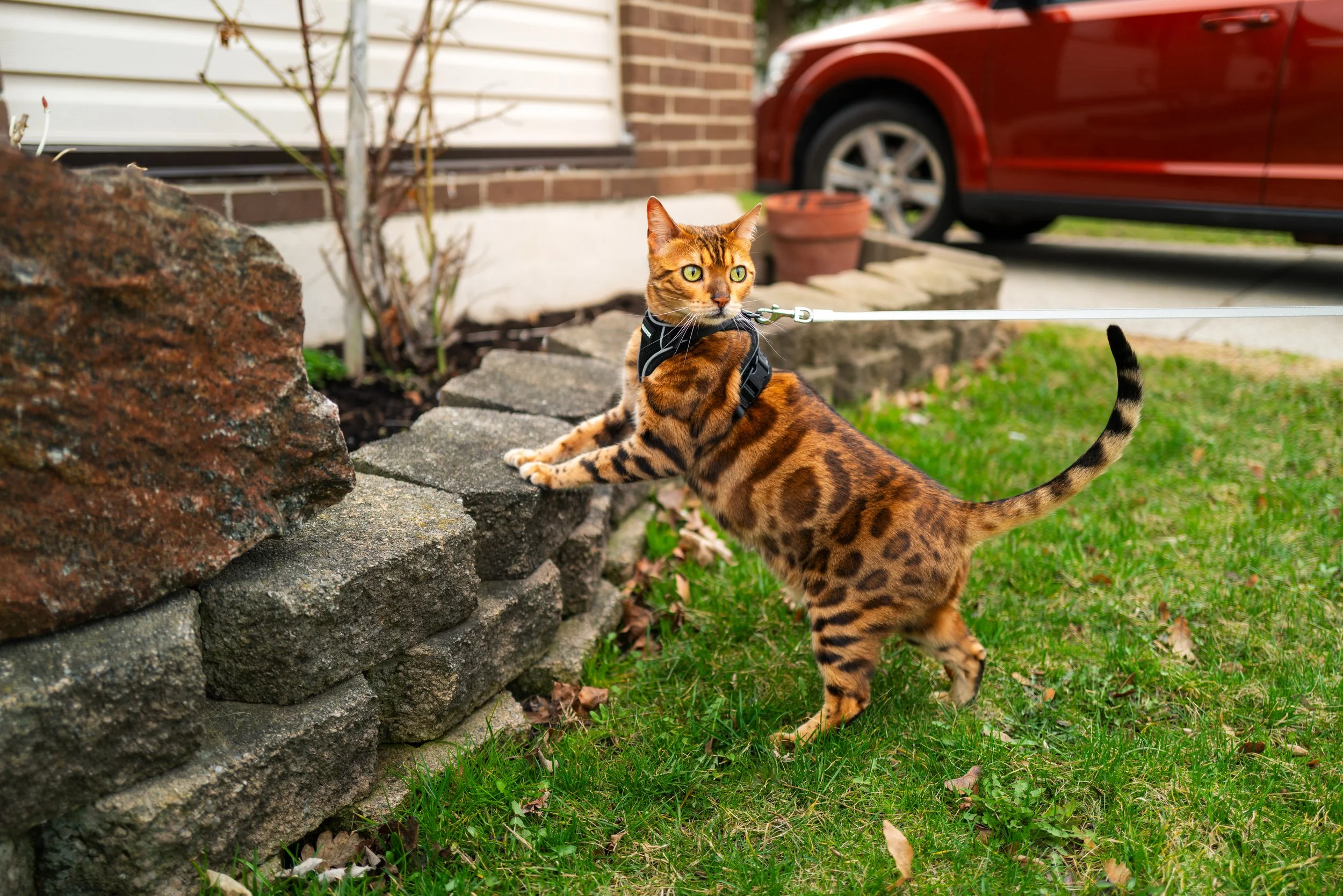
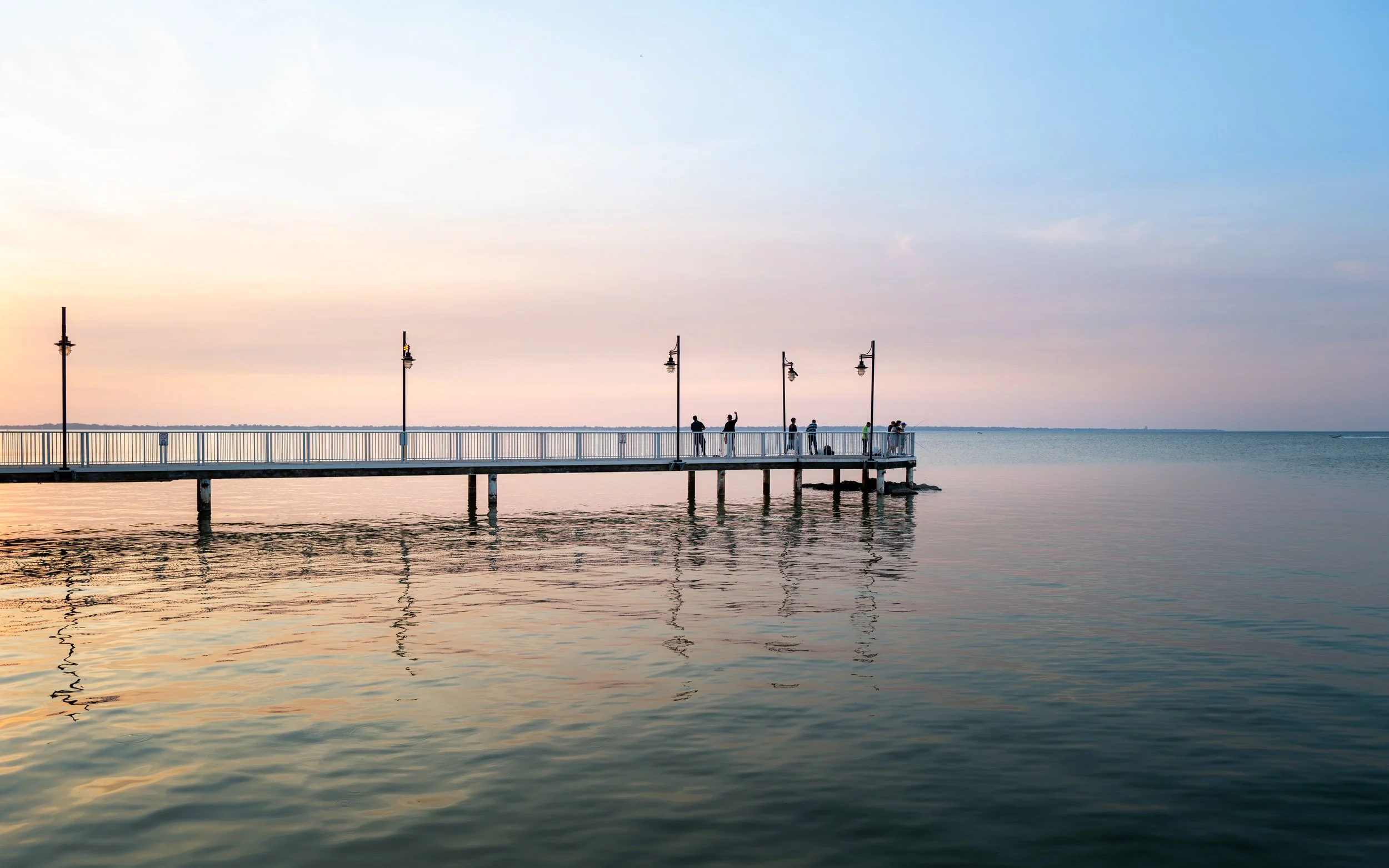
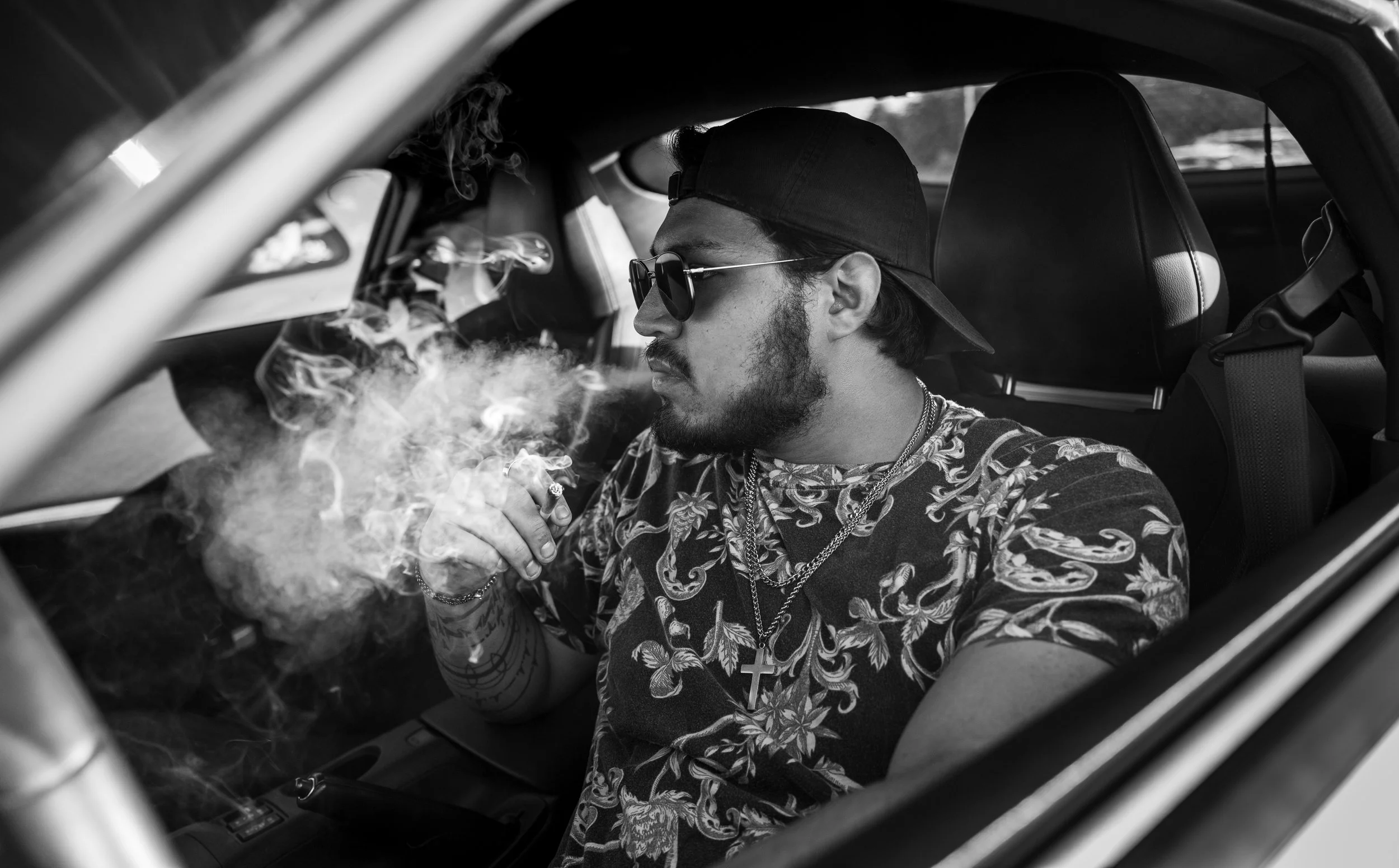
These are not necessarily the photographs that would have made it onto a client brief or a moodboard. They are just parts of life. But those are often the images that become meaningful later—the things that are easy to overlook while they are happening.
The camera made me slow down in small ways. To pay attention to the way light lands on a room. To notice a gesture on the street. To photograph the people and places I am already surrounded by instead of waiting for a bigger reason to do it.
Coming from the Sony ecosystem and having a lot of experience using the 16-35mm GM lens, the 28mm focal length didn’t feel too unfamiliar. However, there is a certain freedom in using a fixed-lens camera. Instead of thinking about which lens I should bring or whether I have the right setup, I’ve learned to work with what is in front of me. I move closer, step back, wait a little longer, and pay more attention.
That limitation has felt less like a compromise and more like an invitation to be present.
Back to shooting for the love of it
I have been taking more photos—about 4,000 frames with the Q2 since I picked it up. Every outing was no longer a ‘project’, but I became more curious. I am more willing to bring the camera along, stop, take in a scene, and make an image simply because something caught my attention.
Could that be because I spent $5,000 (Canadian dollars) on it? Maybe. But the joy of using it has not gone away.
And that, for me, is the real value of a camera like the Leica Q2. It is not about owning a luxury object or believing that better gear automatically leads to better photographs. It is about finding a tool that makes you want to practice the thing you love.
A little perspective
This is not a review. I am not trying to be objective here, and I am probably not the right person to give a technical breakdown of whether the Leica Q2 is worth buying.
The reality is that it is not a camera for everyone.
Compared to some other options (such as my Sony equipment), the Q2 gives up a lot on paper. It has fewer megapixels, slower autofocus, no in-body image stabilization, not-so-great video capabilities, and less flexibility because of its fixed 28mm lens. For certain types of work, those are real limitations—not small details to ignore because there is a red dot on the front.
But this was never really about the specifications.
A great photographer can make great photographs with almost any camera. Gear does not replace an eye, curiosity, or the willingness to keep practising. What a camera can change, though, is the experience of making a photograph: how it feels in your hands, how quickly it gets out of your way, and whether it makes you want to bring it along in the first place.
For me, the Q2 does exactly that.
And if I am being honest, it may also be a gateway into the Leica M system one day. But that is a much bigger—and much more expensive—conversation for another time.
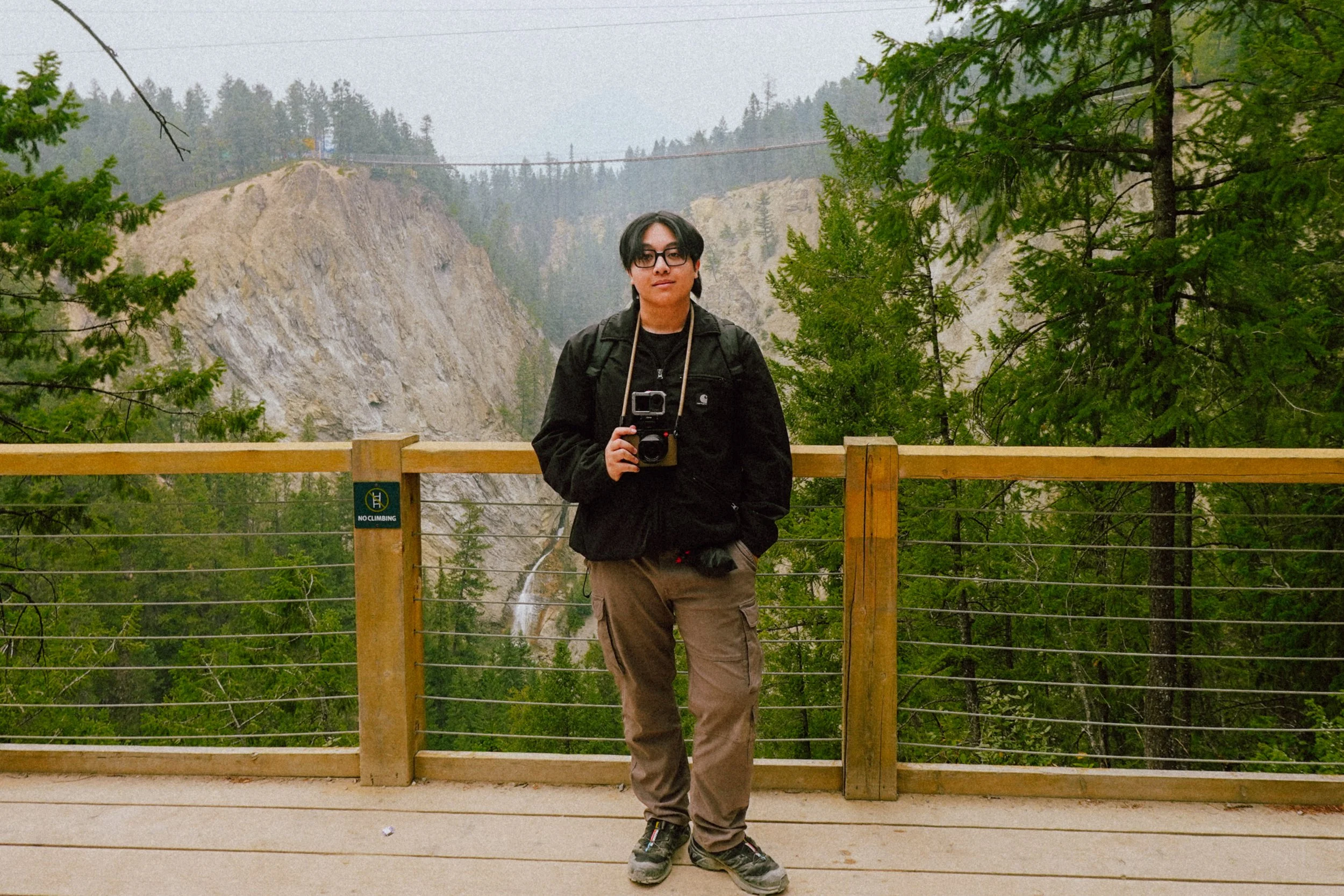
The only camera I brought to Banff
That feeling was strong enough that when I travelled to Banff, the Leica Q2 was the only camera I brought with me.
For a trip like Banff, it would have been easy to pack a larger kit. There are huge landscapes, changing weather, wildlife, and more than enough reasons to wonder whether one camera and one focal length would be enough. But I wanted the trip to feel like a break—not a production. I wanted to be present, explore without carrying a bag full of gear (unfortunately, the bag was still heavy), and photograph what I saw without constantly thinking about what I might be missing.
So I kept it simple: one camera, one lens, and the freedom to work within that limitation.
It turned out to be exactly what I needed. Having only the Q2 made me more deliberate about where I stood, what I included in the frame, and when it was worth slowing down to make a photograph. I was not trying to document everything perfectly. I was trying to hold onto the feeling of being there and document the memories I’ve made with my friends and loved ones.
I will share that trip in more detail in a separate post, along with a gallery of the photographs I made there.
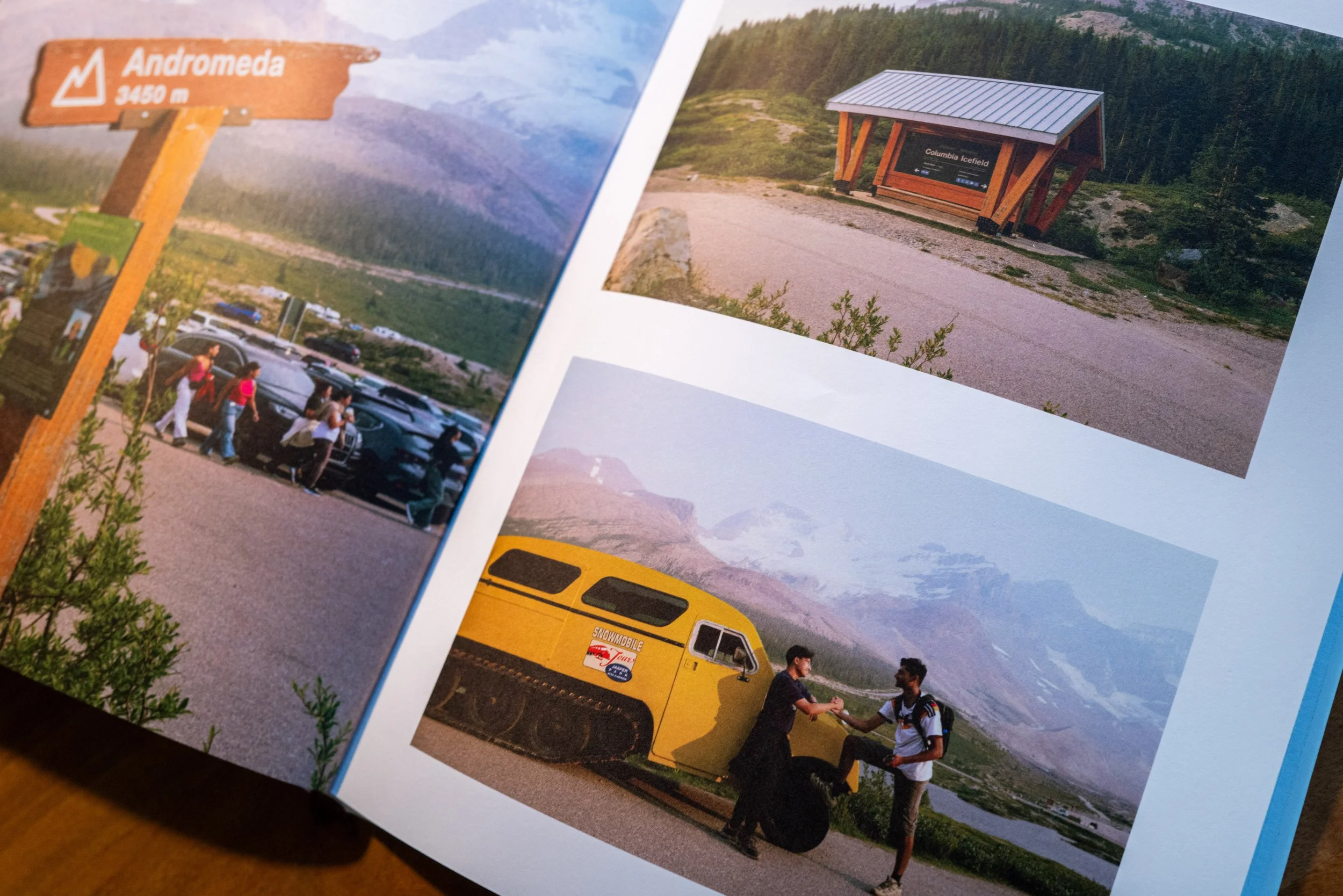
For now, the Q2 remains my daily driver. It is the camera that helped me return to photography as more than a skill, a side hustle, or a technical exercise.
It reminded me that photography can still be personal—and that sometimes the best reason to bring a camera is simply to see the world a little more closely.
Written and photographed by Tae Bounmy
August 2026